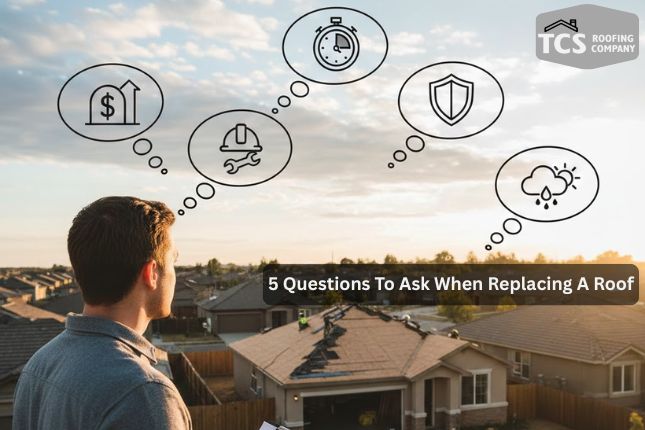
Replacing a roof is a major investment and an essential home maintenance task that requires careful planning and decision-making. Choosing the right roofing contractor, materials, and understanding the process can save you time, money, and stress. To help homeowners navigate this important project, here are four key questions to ask when replacing a roof, along with detailed insights on each topic.
1. How Do I Choose the Right Roofing Material for My Home?
Selecting the right roofing material is crucial because it affects your home’s durability, appearance, energy efficiency, and maintenance costs. Ask your contractor about different material options and what works best for your climate and architectural style.
Popular Roofing Materials:
Asphalt Shingles: The most common option due to affordability and ease of installation. They come in various styles and colors and generally last 15-30 years.
Metal Roofing: Known for longevity (40-70 years), metal roofs reflect heat well, making them energy-efficient. They’re durable and come in different finishes but can be more expensive upfront.
Tile Roofing: Clay or concrete tiles offer a distinctive look, especially for Mediterranean or Southwestern homes. They can last over 50 years but require a strong roof structure because of their weight.
Wood Shingles and Shakes: Provide a natural, rustic aesthetic. They have moderate longevity and may require frequent maintenance in damp or fire-prone areas.
Slate Roofing: A luxury option known for beauty and extreme durability (up to 100 years). Slate is heavy and costly but adds significant value to your home.
Ask yourself and your contractor:
What roofing materials are best for the local climate (e.g., snow, heat, wind)?
Which materials fit within my budget without compromising quality?
What are the maintenance requirements and lifespan of each option?
How will the roofing material affect my home’s energy efficiency and insurance rates?
2. What Should I Expect in Terms of Cost and Financing?
Budgeting for a roof replacement can be confusing because several factors influence the final price. Understanding these will help you avoid surprises.
Key cost factors:
Roof size and pitch: Larger and steeper roofs require more materials and labor.
Material choice: Premium materials cost more initially but may save money over time.
Labor costs: Experienced contractors charge more but deliver better-quality installation.
Roof complexity: Multiple angles, chimneys, skylights, or ventilation systems add to the job difficulty.
Removal of old roofing: Stripping away the old roof adds to labor and disposal fees.
Financing options and considerations:
Roofing projects may be covered by home improvement loans, home equity lines of credit (HELOC), or specialized financing plans through contractors.
Some roofing jobs may qualify for energy-efficiency tax credits if using certain materials like metal or solar-integrated roofs.
Get multiple quotes and compare what’s included. Some quotes may seem cheaper but could lack warranties or removal services.
Questions to ask your contractor:
Can you provide a detailed, written estimate itemizing materials, labor, permits, and disposal?
Are there financing plans or payment schedules available?
What warranties do you offer on materials and workmanship?
Will you handle permits and inspections, or is that my responsibility?
3. How Experienced and Reliable Is the Roofing Contractor?
Hiring a trustworthy, skilled roofing contractor makes the difference between a smooth project and a long, frustrating ordeal.
How to vet your roofing contractor:
Check licensing and insurance: Ensure the contractor has valid licenses and carries liability and worker’s compensation insurance.
Read reviews: Look for consistent positive feedback on platforms like Google, Yelp, or Angie’s List.
Ask for references: A reputable contractor will gladly share contact information of past customers.
Verify experience: Investigate how long the company has been in business and their expertise with your chosen roofing material.
Confirm communication: Clear, timely communication during the estimation process usually reflects the quality of ongoing service.
Important contract details:
The contract should clearly state the scope of work, start and completion dates, payment terms, and warranty information.
Avoid paying the full amount upfront; a typical deposit is 10-30%.
Confirm the contractor will obtain necessary permits and pass inspections.
Questions to ask:
How many years have you been installing roofs in this area?
Can you show proof of insurance and licensing?
Will you provide a detailed written contract and outline warranties?
What steps do you follow to protect my property during the project?
4. What Are the Timeline and Project Details?
Understanding the roof replacement timeline helps you prepare for the disruption and plan around weather conditions or other household schedules.
Typical timeline factors:
Weather: Roof work depends heavily on favorable weather to ensure safety and quality.
Inspection and permits: Time to obtain city or county permits can vary by location.
Material availability: Delays in materials can push the schedule back.
Roof complexity and size: Larger or complex roofs demand more time for removal and installation.
Project phases:
Initial inspection: Contractor evaluates the current roof’s condition.
Estimate and contract signing: Agreement on scope, materials, cost, and schedule.
Removal of old roof: May take a day or more depending on the layers.
Repairs and underlayment: Fixing underlying damage and installing waterproof layers.
New roof installation: Laying the new roofing material per manufacturer guidelines.
Final inspection and cleanup: Ensuring everything is in place and the work site is tidy.
Questions to ask your contractor:
What is the expected start and completion date?
How many crew members will work on my roof?
Will you inspect and repair the roof decking as part of this project?
How will you handle clean-up and disposal of old materials?
5. What Maintenance Will My New Roof Require?
Knowing the maintenance needs of your new roof ensures its longevity and performance over time. Different materials and installations require varied levels of upkeep, and understanding this can help you avoid costly repairs later.
Maintenance considerations:
Routine inspections: How often should you inspect your roof for damage or wear?
Cleaning: Does the roof need regular cleaning to prevent moss, debris buildup, or staining?
Repairs: What types of minor repairs should you expect, and when should you call a professional?
Warranty conditions: Many warranties require specific maintenance actions to remain valid.
Seasonal checks: Some climates may require extra attention before or after harsh weather seasons.
Questions to ask your contractor:
What routine maintenance should I perform on this type of roof?
Are there materials or treatments I should avoid to prevent damage?
How can I spot early signs of roof problems?
Does regular maintenance affect my warranty coverage?
Watch Now: Emergency Roof Leak Repair – Fast and Reliable Protection for Your Property
Replacing your roof can enhance your home’s protection, curb appeal, and value, but it requires asking the right questions upfront. By focusing on selecting appropriate materials, understanding costs, verifying contractor credentials, and clarifying the timeline, you set yourself up for a successful roofing project with less stress and better results.
If you’re preparing for a roof replacement, use these four questions as a checklist to guide your conversations and decisions. This proactive approach will help you feel confident and informed during every step of the process.