As the world increasingly embraces sustainable living, making eco-friendly choices for our homes is more important than ever. One impactful decision homeowners can make is installing an energy-efficient roof. These roofs not only reduce your energy bills but also provide significant environmental benefits that contribute to a healthier planet. This blog explores the many ways energy efficient roofing supports environmental sustainability and why it’s a smart investment for both the Earth and your home.
What Is an Energy-Efficient Roof?
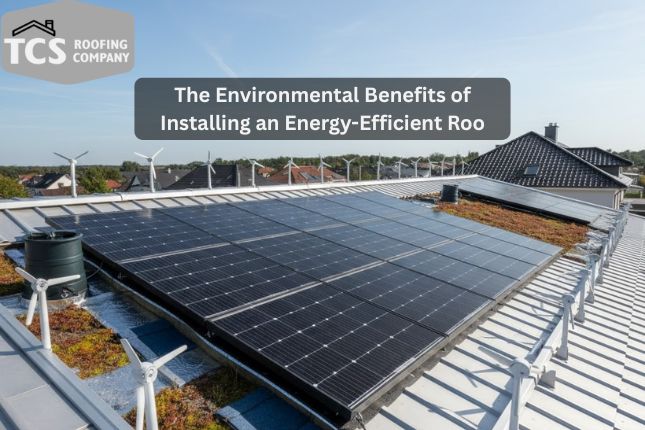
An energy-efficient roof is designed with materials and technologies that minimize heat transfer, reflect sunlight, and improve insulation. Unlike conventional roofs that absorb heat, energy-efficient roofs reflect a large portion of solar radiation and cool down more quickly. This reduces indoor temperatures during hot seasons and helps conserve energy for cooling your home. Common examples include cool roofs with reflective coatings, metal roofs with high emissivity, and green roofs covered with vegetation.
Reduced Energy Consumption and Lower Emissions
One of the most immediate environmental benefits of energy-efficient roofing is the significant reduction in energy consumption for heating and cooling. By reflecting more sunlight and absorbing less heat, these roofs lessen the burden on air conditioning systems during the summer months. This lowered demand translates into fewer greenhouse gas emissions from power plants that generate electricity, contributing to climate change mitigation.
Energy-efficient roofs can reduce energy bills by up to 25%, saving homeowners considerable money annually. More importantly, this reduced energy use means a considerable decrease in carbon footprint. Fewer emissions not only slow global warming but also reduce air pollutants linked to respiratory illnesses.
Mitigating the Urban Heat Island Effect
Urban areas often suffer from the “urban heat island” (UHI) effect, where buildings, roads, and other surfaces absorb and retain heat, making cities warmer than surrounding rural areas. Traditional dark roofing materials absorb heat and exacerbate this problem.
Energy-efficient roofs, especially cool roofs, combat the UHI effect by reflecting sunlight and reducing surface temperatures. This cooling effect extends beyond the individual building, helping to lower neighborhood temperatures, improve air quality, and decrease energy demand on a city-wide scale. Green roofs also help by introducing vegetation that cools via evapotranspiration and provides shade.
Sustainable and Recyclable Materials
Many energy-efficient roofing systems incorporate sustainable materials that require fewer natural resources to produce. Some materials are recyclable at the end of their lifecycle, reducing landfill waste. Green roofs, for example, use vegetation that can absorb rainwater, reduce stormwater runoff, and provide habitats for urban wildlife, enhancing biodiversity within the city.
By choosing roofing materials made from recycled or renewable resources, homeowners contribute to a circular economy and reduce environmental degradation caused by mining and manufacturing.
Enhanced Indoor Comfort and Health
Energy-efficient roofs maintain more stable indoor temperatures by minimizing heat transfer. This enhanced insulation reduces heat gain in summer and heat loss in winter, creating a comfortable living environment year-round without excessive use of HVAC systems.
Stable indoor temperatures help reduce the risk of heat-related illnesses and improve overall health. Additionally, these roofs reduce the likelihood of mold and mildew growth by keeping indoor humidity levels more balanced, further supporting a healthier indoor atmosphere.
Longevity and Waste Reduction
Energy-efficient roofing materials tend to have longer lifespans because they resist damage caused by extreme heat and weather fluctuations. This durability means fewer repairs and replacements over time, reducing the environmental impact associated with manufacturing, transporting, and installing roofing materials repeatedly.
A longer-lasting roof also means less roofing debris ends up in landfills, helping to reduce construction and demolition waste.
Supporting Water Conservation
Certain types of energy-efficient roofs, specifically green roofs, contribute to water conservation by absorbing rainwater and filtering pollutants. This reduces stormwater runoff, which can overwhelm urban drainage systems and pollute nearby water bodies.
By managing rainwater naturally, these roofs help protect local waterways and reduce the risk of urban flooding, supporting healthier ecosystems and reducing the need for expensive drainage infrastructure.
Read more: Emergency Roof Leak Repair | Why Roof Inspections using Drone
Conclusion: A Smart Choice for the Planet and Your Home
Installing an energy-efficient roof is much more than just an upgrade to your home—it’s a commitment to environmental stewardship. From lowering energy consumption and reducing greenhouse gas emissions to mitigating urban heat islands and conserving water, the environmental benefits are compelling.
Moreover, these roofs enhance indoor comfort, promote healthier living spaces, and offer long-term savings through durability and energy efficiency. As global attention turns to sustainable living, energy-efficient roofing stands out as a practical, impactful solution that benefits homeowners and the planet alike.
Making the shift to an energy-efficient roof is a cost-effective way to reduce environmental impact while enhancing your quality of life. It’s an investment that pays dividends today and for generations to come.