Blog

  • Why Should You Hire a Certified Roofing Contractor?

    Why Should You Hire a Certified Roofing Contractor?

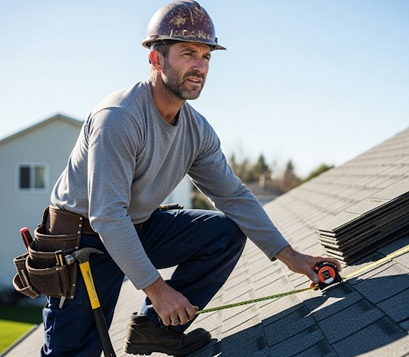
    When it comes to roofing projects—whether it’s a repair, replacement, or new installation—choosing the right roofing contractor is crucial. Your roof is one of the most important parts of your home or business, protecting you from the elements and contributing to your property’s overall value. This is why hiring a certified roofing contractor is essential. In this blog, we’ll explore the key reasons why a certified roofing contractor is your best choice and how it benefits you in the long run.

    Expertise and Professional Knowledge

    Certified roofing contractors have undergone rigorous training and certification processes that validate their skills and knowledge. This certification typically requires passing exams, completing continuing education, and adhering to industry standards. Their expertise means they understand the complexities of roofing systems, materials, and installation techniques better than uncertified or inexperienced contractors.

    By hiring a certified roofing contractor, you are ensuring that your roofing project is completed with the highest standards of workmanship. Certified professionals know how to handle unexpected issues that arise during roofing projects, reducing the risk of mistakes that could lead to costly repairs.

    Quality Materials and Workmanship

    A certified roofing contractor usually has access to high-quality roofing materials from trusted manufacturers. Many manufacturers only guarantee their products if a certified installer does the job, so certification can be a direct link to better product warranties.

    Moreover, certification often requires contractors to stay updated on the latest roofing technologies, materials, and best practices. This means you get roofing solutions that are not only reliable but also energy-efficient and durable—giving you peace of mind for years to come.

    Compliance with Safety and Building Codes

    Roofing is a hazardous job that requires strict adherence to safety precautions and building codes. Certified roofing contractors are trained in safety protocols to protect both workers and occupants of the property. They are familiar with local and national building regulations, ensuring your roof meets all legal standards.

    Compliance with these codes is crucial for insurance purposes and future resale value of your property. Hiring an uncertified contractor may put you at risk of fines or having to redo work that doesn’t meet building guidelines.

    Insurance and Liability Protection

    Certified roofing contractors carry the necessary insurance coverage, such as general liability and workers’ compensation. This protects you financially if there is an accident on your property during the job or if damage occurs to your home or neighboring properties.

    If you hire someone without proper insurance, you may be held liable for injuries or damages, which can become expensive and legally troublesome. A certified contractor safeguards your investment by ensuring all insurance is in place.

    Enhanced Warranty and After-Sales Service

    Many certified roofing contractors back their work with extended warranties, often offering better coverage than non-certified peers. These warranties cover workmanship issues and sometimes the materials used, ensuring that if something goes wrong, you have recourse for repairs without additional costs.

    Additionally, certified contractors often provide reliable after-sales services such as maintenance programs and inspections, which prolong the life of your roof and keep it functioning optimally.

    Increased Property Value and Curb Appeal

    A well-installed, high-quality roof significantly improves the aesthetic appeal and market value of your home or commercial building. Potential buyers or tenants are reassured knowing a certified professional handled the roofing, which can translate into a higher resale price and quicker sales.

    Choose TCS Roofing Company for Certified Excellence

    When you decide to invest in a roofing project, don’t settle for anything less than the best. At TCS Roofing Company, we are proud to be certified roofing professionals dedicated to delivering unparalleled quality and service. Our team stays current with industry standards and uses only premium materials to ensure your roof is durable, safe, and visually stunning.

    We understand the importance of your roof’s integrity in protecting your home or business, and we are committed to providing expert craftsmanship with full insurance coverage for your peace of mind. Whether you need repairs, replacements, or a completely new roof installation, trust TCS Roofing Company to get the job done right the first time.

    Contact us today for a free consultation and experience the confidence that comes from working with certified roofing experts. Protect your investment with TCS Roofing Company—where quality meets reliability.

    Read more: Roofing Services Provider in Tennessee US

    Conclusion

    Hiring a certified roofing contractor is not just a smart choice—it’s an essential one. From professional expertise and high-quality workmanship to safety compliance and insurance protection, certification ensures your roofing project is handled with care and precision. Choosing certified professionals, such as the team at TCS Roofing Company, gives you peace of mind, long-lasting results, and a roof that truly protects your most valuable asset.

    Don’t leave your roof in the hands of just anyone—choose certification, choose quality, choose TCS Roofing Company.
  • What Are the Different Types of Roof Repair Services?

    What Are the Different Types of Roof Repair Services?

    Your roof is a critical part of your home, shielding you and your family from the elements. Over time, due to weather, wear, and unexpected accidents, roofs require repair and maintenance to keep them functioning effectively and safely. Understanding the different types of roof repair services helps you choose the right solution tailored to your roof’s needs. In this blog, we will explore five essential roof repair services: Shingle Replacement, Roof Restoration, Roofing Inspection, Emergency Roofing Services, and Leak Repair.

    Roofing Inspection

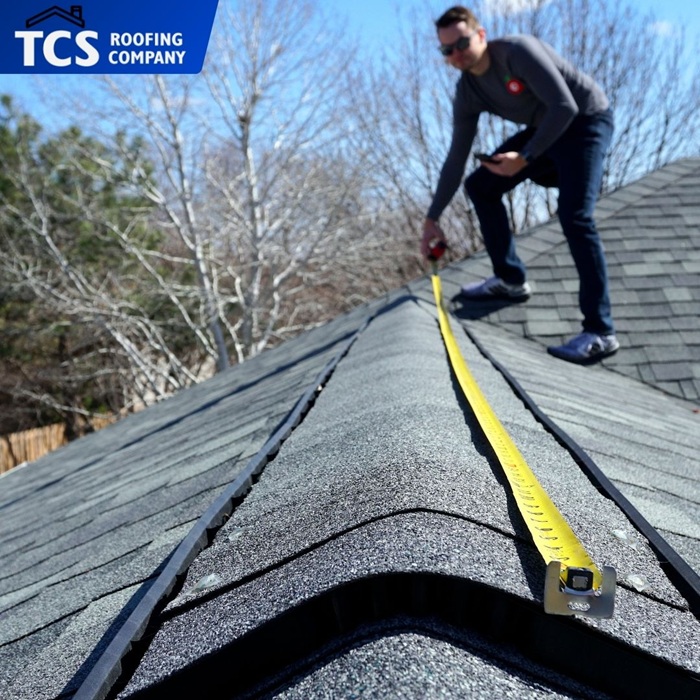
    Regular roofing inspections are vital for identifying potential issues before they escalate into costly repairs. A roof inspection involves a detailed examination of your roof’s condition, including checking shingles or tiles, flashing, gutters, and structural elements.

    Professional inspectors look for signs of wear, damage, leaks, and any vulnerabilities caused by weather or age. Inspections help catch minor problems early, such as small cracks or loose shingles, and enable preventive maintenance that keeps your roof in good condition. Inspections can be scheduled annually or after severe weather events to maintain the roof’s integrity and prolong its lifespan.

    Shingle Replacement

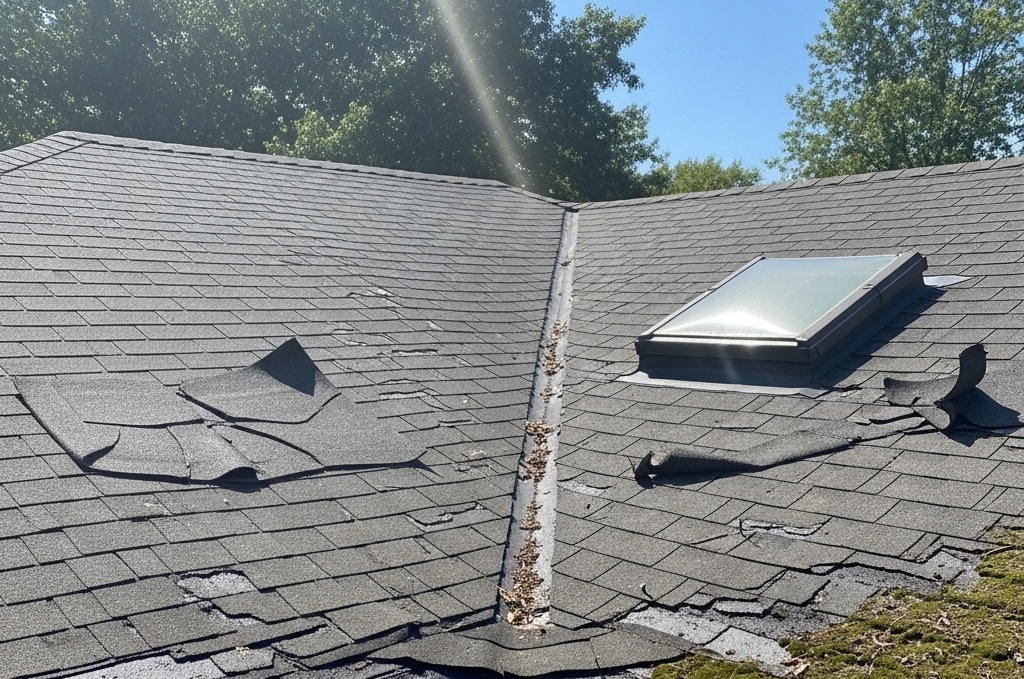
    Shingles are one of the most common roofing materials. It protects your home by shedding water and preventing leaks. However, shingles can become damaged or aged due to harsh weather such as heavy rain, strong winds, or intense heat, which causes cracking, curling, or even granule loss. When shingles are missing or broken, the roof becomes vulnerable to water infiltration and further structural damage.

    Shingle replacement involves carefully removing the damaged shingles and installing new ones to seamlessly integrate with the existing roof. This process restores the roof’s water resistance and appearance. If only a few shingles are affected, a targeted replacement can effectively protect the roof. However, if a large portion of shingles is damaged or the roof has aged significantly, a more extensive approach or roof restoration may be recommended.

    Roof Restoration

    Roof restoration is a comprehensive service aimed at extending the lifespan of your roof while enhancing its appearance and functionality. It involves cleaning, repairing, and treating roofing materials to restore them to good condition rather than replacing the entire roof.

    The restoration process typically begins with a thorough cleaning by power washing to remove dirt, moss, and debris. Damaged tiles or shingles are repaired or replaced, and any rust on metal roofs is treated with inhibitors. After cleaning and repairs, protective coatings such as acrylic, silicone, or elastomeric are applied to seal and protect the roof from further damage.

    Roof restoration not only improves curb appeal but also increases your home’s value and ensures the roof provides lasting protection. It is a cost-effective alternative to full roof replacement when the roof structure remains sound.

    Emergency Roofing Services

    Emergencies can strike at any time, and when they do, prompt roof repair services are critical to prevent serious damage. Emergency roofing services address urgent issues like storm damage, fallen trees, severe leaks, or structural damage that compromise the safety of your home.

    Common emergency solutions include temporarily covering damaged areas with tarps to prevent water entry, replacing broken or missing shingles, quickly sealing leaks with waterproof sealants, and reinforcing weakened structures. These services stabilize the roof and protect your home from further harm until permanent repairs can be made.

    Calling emergency roof repair services immediately after visible damage or leaks helps minimize costly damage and ensures your family’s safety.

    Leak Repair

    Leak repair is one of the most common and crucial roof repair services. Roof leaks can originate from damaged flashing, cracked vent pipes, deteriorated sealant, or gaps around chimneys and skylights. Water infiltration can lead to serious problems including mold growth, weakened roof structure, and interior damage.

    Leak repair involves locating the exact source of the leak and applying appropriate fixes such as resealing, patching cracks, or replacing damaged flashing. Using specialized waterproof materials ensures the repair is long-lasting and prevents water from entering the home.

    Prompt leak repair protects your roof and home, prevents further damage, and saves you money in the long run.

    Watch Now: Emergency Roof Leak Repair in Gallatin TN US

    Maintaining a sound roof requires attention and timely repair services. Whether it is replacing worn-out shingles, restoring an aging roof, scheduling an inspection, responding to emergencies, or fixing leaks, each type of roof repair service plays a vital role in protecting your home. Understanding these services equips you to make informed decisions that safeguard your investment and provide peace of mind. Regular maintenance and timely repairs are your best defense against costly roof damage.

    TCS Roofing Company specializes in expert commercial and residential roof replacement and repair services. Dedicated to quality craftsmanship and dependable service, we manage everything from minor repairs to complete roof replacements. Our skilled team utilizes premium materials to guarantee lasting protection and durability. Whether it’s your home or business, TCS Roofing company, expert roofing contractor in Gallatin TN provides customized, trustworthy solutions designed to meet your specific needs—ensuring safety, efficiency, and exceptional customer satisfaction at every stage of the project.

  • How to Spot Hail Storm Damage on Your Roof Before It’s Too Late

    How to Spot Hail Storm Damage on Your Roof Before It’s Too Late

    Hailstorms can wreak havoc on your home, and your roof often takes the brunt of the impact. Identifying hail damage early can save you from costly repairs and prevent further deterioration. This guide outlines how to spot hail storm damage on roof, understand its implications, and take action before it’s too late.

    Understanding Hail Damage

    Hailstones, ranging from pea-sized to golf ball-sized or larger, can strike with enough force to crack, bruise, or dislodge roofing materials. The extent of the damage depends on the hail’s size, density, and the duration of the storm, as well as your roof’s age and material. Asphalt shingles, for instance, are particularly vulnerable, while metal roofs may dent but resist cracking. Recognizing the signs of hail damage early ensures you can address issues before they escalate into leaks or structural problems.

    Signs of Hail Damage on Your Roof

    1. Granule Loss on Asphalt Shingles

    Asphalt shingles are covered with granules that protect against UV rays and weather. Hail impacts can knock these granules loose, exposing the underlying material. Check for bald spots on shingles or excessive granules in your gutters or at the base of downspouts. A shiny or smooth appearance on shingles often indicates significant granule loss, which can accelerate wear and lead to leaks.

    2. Cracks and Bruises

    Hail can cause cracks or circular bruises on shingles, often with a soft or discolored center where the impact occurred. These areas may feel softer to the touch or show concentric rings, resembling a bullseye. On flat roofs or those with composite materials, look for fractures or small indentations. These subtle signs can be easy to miss but are critical indicators of damage.

    3. Damaged or Missing Shingles

    Severe hail can split or completely dislodge shingles. Look for missing patches or shingles that appear torn or curled. Even partial damage, like splits along the edges, can allow water to seep underneath, causing rot or mold in the roof deck.

    4. Leaks or Water Stains Indoors

    If you notice water stains on your ceiling or walls, it could indicate hail damage that has compromised your roof’s waterproofing. Check your attic for signs of leaks, such as damp insulation or watermarks on rafters. These are red flags that require immediate attention.

    How to Inspect Your Roof Safely

    Inspecting your roof for hail damage requires caution. If you’re comfortable, use a ladder to get a closer look, but prioritize safety. Wear sturdy shoes, secure the ladder, and avoid climbing in wet or windy conditions. If your roof is steep or high, consider hiring a professional roofer to conduct the inspection.

    Start by examining areas accessible from the ground using binoculars. Look at slopes facing the direction of the storm, as these are most likely to show damage. Check gutters for granule buildup and inspect nearby structures like chimneys or skylights. Take photos of any suspicious areas to document potential damage for insurance claims.

    Why Early Detection Matters

    Hail damage may not cause immediate leaks, but it weakens your roof’s defenses. Granule loss accelerates shingle deterioration, while cracks and dents create entry points for water. Over time, this can lead to mold, wood rot, or even structural issues. Early detection allows you to file insurance claims promptly, as many policies have time limits for reporting storm-related damage. Addressing minor issues now can prevent major repairs later.

    When to Call a Professional

    If you spot signs of hail damage or are unsure about your roof’s condition, contact an expert roofing contractorTCS Roofing Company. We can perform a thorough inspection, often using drones or specialized tools to assess hard-to-reach areas. A professional can also help you navigate insurance claims, ensuring you provide the necessary documentation, such as photos and repair estimates.

    Steps to Take After Identifying Damage

    Document the Damage: Take clear photos and notes of all affected areas. Include timestamps and details about the storm, such as hail size and date.

    Contact Your Insurance Provider: Report the damage as soon as possible. Most policies cover hail damage, but delays in reporting can complicate claims.

    Schedule Repairs: Work with a reputable contractor to repair or replace damaged sections. Avoid temporary fixes, as they may not fully address underlying issues.

    Consider Preventive Measures: If your area is prone to hail, discuss upgrading to impact-resistant roofing materials with your contractor.

    Watch Now: Emergency Roof Leak Repair Service TN US

    Protecting Your Roof Moving Forward

    To minimize future hail damage, maintain your roof regularly. Clear debris from gutters, inspect shingles annually, and address minor wear before storms hit. If you live in a hail-prone region, consider investing in Class 4 impact-resistant shingles, which are designed to withstand severe weather.

    Spotting hail damage early can save you time, money, and stress. By knowing what to look for and acting quickly, you can protect your home from the long-term effects of hailstorms. Regular inspections and prompt repairs ensure your roof remains a reliable shield against the elements.

  • Common Roof Problems Seen In Summer – Is your roof ready for Summer Heat?

    Common Roof Problems Seen In Summer – Is your roof ready for Summer Heat?

    Summer brings warmth, sunshine, and long days, but it also poses unique challenges for your home’s roof. The intense heat, heavy rains, and occasional storms can exacerbate existing issues or create new ones. Understanding the common roof problems that arise during summer can help homeowners take proactive steps to protect their investment. Below, we explore the most frequent roofing issues seen in the warmer months and offer practical solutions to address them.

    Thermal Expansion and Contraction

    One of the primary challenges roofs face in summer is thermal expansion and contraction. High temperatures cause roofing materials like asphalt shingles, metal, and tiles to expand, while cooler nights lead to contraction. This constant movement can weaken the structural integrity of the roof over time. For example, asphalt shingles may develop cracks or lose granules, reducing their ability to protect against water infiltration.

    To mitigate this, ensure your roof is made of high-quality, durable materials designed to withstand temperature fluctuations. Regular inspections can catch early signs of wear, such as cracked shingles or warped metal panels. Applying reflective roof coatings can also reduce heat absorption, minimizing the stress caused by thermal expansion.

    UV Radiation Damage

    The sun’s ultraviolet (UV) rays are relentless during summer, and prolonged exposure can degrade roofing materials. Asphalt shingles, in particular, are prone to drying out and becoming brittle under intense UV radiation. This can lead to granule loss, which compromises the shingles’ ability to deflect water and protect the underlayment. Wooden roofs may also fade or crack, while flat roofs with membrane systems can develop blisters or peeling.

    Homeowners can combat UV damage by choosing UV-resistant roofing materials or applying protective coatings. Regular maintenance, such as cleaning debris and checking for signs of wear, can help extend the lifespan of your roof. If you notice significant granule loss or discoloration, consult a professional roofer to assess whether repairs or replacement are necessary.

    Storm-Related Damage

    Summer storms, including heavy rain, hail, and high winds, can wreak havoc on roofs. Hail can dent or crack shingles, tiles, or metal roofing, creating entry points for water. High winds may lift or tear off shingles, exposing the underlayment to the elements. Fallen branches or debris carried by strong winds can also puncture or scratch the roof surface.

    After a storm, inspect your roof for visible damage, such as missing shingles, dents, or debris buildup. Clear gutters and downspouts to ensure proper drainage, as clogged systems can lead to water pooling and leaks. If you suspect significant damage, hire a professional to conduct a thorough inspection and repair any issues promptly to prevent further deterioration.

    Gutter and Drainage Issues

    Summer’s heavy rains can overwhelm poorly maintained gutters, leading to water pooling on the roof or overflowing onto the home’s foundation. Clogged gutters filled with leaves, dirt, or debris prevent proper water flow, increasing the risk of leaks and water damage. Poor drainage can also cause water to seep under shingles, leading to rot or mold growth in the roof’s underlayment.

    Regular gutter cleaning is essential during summer to ensure unobstructed water flow. Check for signs of rust, loose brackets, or holes in the gutters and repair them promptly. Installing gutter guards can reduce debris buildup and minimize maintenance needs. Ensure downspouts direct water away from the foundation to protect both the roof and the home’s structural integrity.

    Algae and Moss Growth

    Warm, humid summer conditions create an ideal environment for algae and moss to thrive on roofs, particularly in shaded areas. Algae can cause dark streaks, reducing the roof’s aesthetic appeal and potentially trapping moisture against the surface. Moss, on the other hand, can lift shingles and allow water to seep underneath, leading to leaks and structural damage.

    To prevent algae and moss growth, trim overhanging branches to increase sunlight exposure and improve air circulation. Clean the roof with a mild, non-corrosive solution to remove existing growth, and consider installing zinc or copper strips along the roof’s ridge. These metals release ions that inhibit algae and moss development. Always use caution or hire a professional when cleaning to avoid damaging the roof.

    Ventilation and Insulation Problems

    Poor attic ventilation and insulation can exacerbate roof problems in summer. Trapped heat in the attic can raise roof temperatures, accelerating material degradation and increasing cooling costs. Inadequate ventilation may also lead to moisture buildup, fostering mold growth and wood rot in the roof structure.

    Ensure your attic has proper ventilation, such as soffit and ridge vents, to allow hot air to escape. Check insulation levels to prevent heat transfer into living spaces. A professional roofer can assess your ventilation system and recommend improvements, such as adding vents or upgrading insulation, to protect your roof and enhance energy efficiency.

    Watch Now: Roofing Services Provider in Tennessee US

    Proactive Maintenance Tips

    Preventing summer roof problems starts with proactive maintenance. Schedule a professional roof inspection before the season begins to identify and address potential issues. Clean gutters and downspouts regularly, and remove debris from the roof surface to prevent water pooling. Trim trees near the home to reduce the risk of falling branches and minimize shade that promotes algae growth. Finally, address minor repairs promptly to avoid costly damage down the road.

    By understanding and addressing these common summer roof problems, homeowners can extend the lifespan of their roofs and maintain their home’s value. Regular maintenance, timely repairs, and the use of quality materials are key to ensuring your roof withstands the challenges of summer weather.