Tag: Hail Storm Damage

  • Why Does Roof Pitch Matter?

    Why Does Roof Pitch Matter?

    Roof pitch, the steepness or slope of a roof, plays a vital role in a home’s functionality, durability, and efficiency. Understanding why it matters helps homeowners and builders make informed choices for long-term performance.

    What Is Roof Pitch?

    Roof pitch measures the vertical rise over a horizontal run, typically expressed as a ratio like 4:12 (4 inches rise per 12 inches run). Steeper pitches, such as 12:12, create a sharp angle, while low-slope roofs might be 2:12 or flatter.

    ​This slope isn’t just aesthetic; it dictates how the roof interacts with weather, materials, and structure. Builders calculate it during design to match local climate and building codes.

    Drainage and Water Management

    Proper drainage is the primary reason roof pitch matters. A steeper pitch allows rainwater and melting snow to flow off quickly, preventing pooling that leads to leaks, rot, and mold.

    In heavy-rain areaslow pitches (under 3:12) risk water accumulation, shortening roof life. Steep roofs shed water 2-3 times faster, reducing underlayment strain and extending material durability.

    Snowy regions mandate minimum pitches (often 4:12+) to avoid collapse from buildup. Flat roofs need extra drainage systems like scuppers, adding cost and maintenance.

    Structural Integrity and Load

    Pitch affects how roofs handle weight from snow, wind, or debris. Steeper designs distribute loads better, using trusses that prevent sagging under heavy precipitation.

    Low-slope roofs bear more constant pressure from pooled water or snow, requiring reinforced decking. In windy zones, moderate pitches (4:12 to 6:12) resist uplift better than very steep ones, where gales hit directly.

    Building codes in snowy U.S. states or northern Europe enforce pitches to ensure safety, avoiding tragedies like roof collapses reported in extreme weather.

    Material Compatibility

    Not all roofing materials suit every pitch. Asphalt shingles need at least 2:12 (ideally 4:12+) for water to shed without seeping under edges.

    Steep roofs support slate, tile, or metal, which rely on gravity and weight for security. Low-slope roofs demand single-ply membranes or TPO, which seal seams better but cost more in installation labor.

    Choosing mismatched materials leads to premature failure; for instance, tiles slip on slopes under 4:12 without special underlayment.

    Pitch RangeSuitable MaterialsKey Considerations
    0:12 – 2:12 (Flat/Low)EPDM, TPO, Modified bitumenNeeds drains; ice dam risk high
    2:12 – 4:12 (Low)Asphalt shingles (with sealant), MetalStarter strips required; slower drainage
    4:12 – 9:12 (Medium)Asphalt, Wood shakes, MetalVersatile; best balance for most homes
    9:12+ (Steep)Tile, Slate, CedarExcellent runoff; requires safety gear for work

    Energy Efficiency and Insulation

    Pitch influences ventilation and insulation space. Pitched roofs create attics for airflow, reducing heat buildup in summer and retaining warmth in winter.

    This cuts energy use by 10-20% via better air circulation, especially with ridge vents on 6:12+ slopes. Low pitches trap heat, raising cooling bills in hot climates.

    Extra loft space allows thicker insulation (R-38+ values), improving efficiency without costly retrofits.

    Aesthetics and Property Value

    Visually, pitch defines architectural style—steep gables suit cottages, while low slopes fit modern flat designs. It enhances curb appeal, potentially boosting resale by 5-10% in style-matching neighborhoods.

    Pitched roofs add usable attic space for storage or conversions, increasing square footage value. In historic areas, matching local pitch preserves character and avoids permit issues.

    Installation and Maintenance Challenges

    Steeper pitches complicate work, raising costs 20-50% due to scaffolding and safety harnesses. Workers prefer 6:12 or less for walkability.

    Maintenance like cleaning gutters is riskier on high pitches, but debris sheds easier, reducing frequency. Low pitches demand frequent inspections for standing water.

    Climate-Specific Choices

    In monsoon-heavy 4:12-6:12 pitches excel for rapid runoff. Snowy favors 6:12+; arid deserts tolerate 2:12 with good membranes.

    Windy coastal areas opt for 3:12-5:12 to minimize uplift. Always consult local codes—e.g., many require 3:12 minimum for shingles.

    Measuring Roof Pitch

    Use a level and tape: From eaves, measure 12 inches horizontally, then vertical rise to the roofline. Apps or architects provide precise calculations for quotes.

    Knowing your pitch aids repairs; e.g., 5:12 needs specific shingle types.

    Read more: Asphalt Shingle Roof Replacement Services in TN | Benefits of Drone Roof Inspection 

    Common Mistakes to Avoid

    Undersizing pitch for climate leads to leaks; oversizing hikes material needs by 30%. Ignoring pitch during reroofing mismatches old/new sections.

    Skipping professional assessment risks code violations or insurance hikes.

    Roof pitch fundamentally shapes a home’s resilience against weather, efficiency, and style. Selecting the right one—typically 4:12-6:12 for balanced performance—ensures decades of protection while optimizing costs and comfort.

    Opt for expert consultation – TCS Roofing Company to align pitch with your location’s demands

  • Best Roofing Contractors for Storm Damage in Nashville, TN

    Best Roofing Contractors for Storm Damage in Nashville, TN

    Storms hit Middle Tennessee hard, leaving Nashville homeowners scrambling to repair roofs battered by wind, hail, debris, and heavy rain. Choosing the right contractor means fast response, insurance expertise, quality materials, and proven storm damage restoration skills. TCS Roofing stands out as a top choice, blending local knowledge with comprehensive services tailored to Nashville’s volatile weather.

    Why Nashville Needs Storm-Savvy Roofers

    Nashville’s position in “Dixie Alley” exposes it to frequent thunderstorms, hail events, and tornadoes—averaging over 50 severe storm days yearly. Recent January 2026 ice storms and 2025 hail outbreaks damaged thousands of roofs, spiking insurance claims. Top contractors excel in emergency tarping, full inspections, and navigating claims with carriers like State Farm or Allstate, common in the region. They use Class 4 impact-resistant shingles or metal roofing to withstand future hits, extending roof life in this high-risk zone.

    Homeowners risk mold, leaks, and structural issues without prompt action. The best pros arrive within 24-48 hours, document damage with photos/drones, and handle everything from shingle replacement to gutter/siding repairs.  

    TCS Roofing: Your Nashville Storm Damage Leader

    At TCS Roofing (tcsroofer.com), we specialize in storm damage restoration across Nashville, Murfreesboro, Franklin, Brentwood, and Middle TN. Founded by local experts with decades in the industry, our team has restored hundreds of roofs after events like the 2023 Clarksville tornadoes and 2025 hail storms. We guarantee satisfaction with written warranties, high-quality materials, and a seamless insurance process—maximizing your claim without out-of-pocket costs.

    Our process starts with free inspections using drones and thermal imaging to spot hidden wind uplift, hail bruises, or punctures invisible from ground level. We provide detailed reports with timestamps, matching NOAA weather data for airtight claims. Unlike fly-by-night operators, TCS Roofing is fully licensed, bonded, insured, and Owens Corning Preferred Contractor certified—ensuring code-compliant work that boosts home value.

    Top Competitors and What Sets TCS Roofer Apart

    Tim Leeper Roofing

    Founded in 2004 and headquartered in Nashville, Tim Leeper Roofing earned National Roofing Contractor of the Year in 2015. They handle residential/commercial repairs, gutters, siding, and insurance claims across Middle TN. Strengths include general contracting and chimney flashing expertise. However, TCS Roofing edges them with faster emergency response (under 24 hours) and specialized drone surveys for complex hail damage.

    ​Five Points Roofing

    This family-owned Franklin firm (since 2010) shines in architectural shingles, metal roofs, and insurance work for Nashville, Brentwood, and beyond. They emphasize customer relationships and roof washing. TCS matches their quality but adds full exterior restoration (gutters, vents, skylights) and a dedicated claims advocate—streamlining approvals in weeks, not months.

    MidSouth Construction

    Nashville-based since 2010, they certify in metal, slate, tile, and flat roofs, plus fire/water restoration. Ideal for commercial properties. TCS Roofing differentiates with residential focus, transparent pricing (no hidden fees), and post-storm tarping kits to prevent interim damage—critical in TN’s humid climate.

    Spotting Storm Damage: TCS Roofer Expertise in Action

    Post-storm, check for curled/missing shingles (wind), granule loss in gutters (hail), punctures from debris, or soft attic spots (water). TCS Roofing’s certified inspectors identify these plus subtle issues like compromised flashing or ice dam risks from winter events. We document everything for insurers, often securing full replacements covered 100%.

    In a typical hail claim, our team photographs bruises on shingles/AC units, measures stone size via weather reports, and recommends upgrades. For wind damage, we test seal integrity and reinforce ridges. Debris punctures get precise patching to match existing roofs, avoiding patchwork looks.

    Insurance Claims Made Easy with TCS

    Claims intimidate many, but TCS Roofing guides you: File promptly (within policy windows), provide our report, and let us meet adjusters onsite. We’ve boosted payouts by 30% on average through thorough documentation.  

    Why Choose TCS Roofing Over the Rest?

    Speed: 24/7 emergency service, same-week scheduling.

    Quality: Premium materials

    Value: Free estimates

    Act Now: Schedule with TCS Roofing Company

    Don’t let storm damage linger—contact TCS Roofing Company at tcsroofer.com or call (615) 997-4276 for your free inspection. As Nashville’s storm damage authority, we’re ready to protect your home through every squall. Storms pass, but quality roofs endure.

    Watch Now: Asphalt Shingle Roof Repair Services in Middle Tennessee

  • Emergency Roof Repair: What to Do When Storm Damage Hits Middle Tennessee

    Emergency Roof Repair: What to Do When Storm Damage Hits Middle Tennessee

    Middle Tennessee’s unpredictable weather, from severe thunderstorms and hail to high winds, often leaves roofs battered and homeowners scrambling. Acting fast after storm damage can prevent minor issues from becoming costly disasters. This guide outlines essential steps tailored to Middle Tennessee homes, where asphalt shingles dominate and local contractors like TCS Roofer in Nashville and Franklin respond 24/7.

    Stay Safe First

    Prioritize your safety above all after a storm hits areas like Nashville, Murfreesboro, or Clarksville. Avoid climbing onto a wet or unstable roof, especially with Middle Tennessee’s frequent ice storms or downed power lines from high winds. Inspect from the ground using binoculars for obvious issues like missing shingles or fallen branches, and stay indoors if lightning or flooding risks persist.

    Evacuate immediately if you spot sagging ceilings, bowing trusses, or major water pooling inside—these signal structural risks common in older ranch-style homes prevalent here. Middle Tennessee’s clay-heavy soils can exacerbate foundation shifts post-storm, making caution critical.

    Spot the Damage Signs

    Middle Tennessee storms pack hail up to golf-ball size and winds over 70 mph, shredding shingles and denting metal roofs on barns or modern builds. Look for curled or missing asphalt shingles (standard in 80% of local homes), cracked vents, granule loss in gutters, or exposed decking—hallmarks of hail impact.

    Indoors, check for water stains on ceilings, warped insulation, or mold growth in attics, which humid summers amplify. High winds often lift flashing around chimneys, a frequent fail point in brick-heavy Tennessee architecture. Document everything with timestamped photos from multiple angles for insurance claims, as local carriers like State Farm prioritize visual proof.

    Quick Temporary Fixes

    Don’t delay—cover exposed areas immediately to shield against follow-up rains common in Middle Tennessee’s stormy springs. Secure a heavy-duty tarp (at least 8-mil thick) over damaged sections using 2×4 boards, nails, or bungee cords; avoid tape alone, as it fails in wind.  

    Clear gutters and downspouts of debris to prevent backups, and place buckets under indoor leaks while moving furniture. For minor shingle gaps, apply roofing cement sparingly from a caulk gun, but skip this on steep pitches or if unsafe. These steps buy 24-48 hours until pros arrive, minimizing water intrusion that could rot local pine framing.

    Call Local Pros Immediately

    Contact licensed Middle Tennessee roofers offering 24/7 emergency service, such as TCS Roofer in Nashville who handle hail and wind damage routinely. Get free inspections; we use drones for safe assessments on multi-story homes in Hendersonville or Smyrna.

    Navigate Insurance Claims

    Middle Tennessee’s storm alley status means most policies cover wind/hail deductibles (often 1-2% of home value, around $2,000-$4,000 for a $300K house). File claims promptly: notify your agent within 24 hours, provide photos, and let roofers like TCS Roofer coordinate adjuster visits – we knew State Farm and Allstate quirks here.

    Request an Xactimate estimate (industry standard) and supplements for overlooked damage. Tennessee law mandates fair claims handling; if denied, appeal via the Department of Insurance. Full replacements often qualify if granule loss exceeds 30% or three-tab shingles fail integrity tests.

    Claim StepActionLocal Tip
    Notify InsurerCall agent with policy #Use TN FAIR Plan if underinsured
    Pro InspectionSchedule within 48 hrsDrones speed Nashville approvals
    Approval & RepairSign work orderCash-claim for deductibles common

    Understand Common Repairs

    Asphalt shingle patches fix wind-lifted areas, while hail demands full sections or overlays. Middle Tennessee’s freeze-thaw cycles worsen cracks, so pros seal with ice-and-water shields under new layers. Expect 1-3 days for emergencies, longer for totals.

    Costs range $5-$12 per sq ft for repairs, $400-$800/square for replacements; insurance covers most after deductible. Upgrades to impact-resistant shingles (Class 4) cut future premiums 20-30% via USAA or similar.

    Prevent Future Damage

    Trim overhanging oaks (common in Franklin yards) pre-storm, and install leaf guards on gutters. Annual inspections beat reactive fixes—Middle Tennessee’s National Weather Service issues hail watches; monitor via weather.gov for prep. Gutter helmets or ridge vents improve airflow, reducing ice dams in winter.

    Opt for 30–50-year architectural shingles rated for 130 mph winds, standard post-2011 tornadoes. Enroll in local alerts like Nashville’s N.O.A.H. for early warnings.

    Watch Now: Benefits of Drone Roof Inspection

    Why Middle Tennessee Faces High Risk

    The region’s rolling hills funnel storms from the Gulf, spawning supercells with baseball hail and 100 mph gusts—2024 saw 50+ severe events. Clay soils swell post-rain, stressing roofs on slab homes. Proactive maintenance saves thousands amid rising premiums (up 15% yearly).

  • The 5 Best Storm Damage Roofing Companies in Nolensville, TN: Protecting Your Home After the Storm

    The 5 Best Storm Damage Roofing Companies in Nolensville, TN: Protecting Your Home After the Storm

    Nolensville, Tennessee, is one of the most desirable places to live in Middle Tennessee. With its historic charm, rolling hills, and rapid growth, it’s a community of beautiful homes and tight-knit neighborhoods. However, being situated in the heart of the Tennessee Valley comes with a specific set of challenges: volatile weather.

    From sudden spring hailstorms and high-velocity wind events to the occasional tornado threat, Nolensville roofs take a beating. When a major storm rolls through, the aftermath can be overwhelming. Finding a contractor who doesn’t just “fix roofs” but understands the intricacies of storm damage, insurance restoration, and local building codes is essential.

    If you’ve recently experienced a weather event, or you want to be prepared for the next one, here are the five best storm damage roofing companies in Nolensville, TN.

    1. TCS Roofing Company – Premium Roofing Contractor

    When it comes to local expertise and a “customer-first” philosophy, TCS Roofer stands at the top of the list. We have carved out a reputation as the premier storm restoration specialists in the Nolensville and greater Williamson County area.

    Why They Lead the Pack:

    TCS Roofer isn’t just a construction company; we are insurance restoration experts. Most homeowners dread the “insurance dance”—the back-and-forth between the adjuster and the contractor. TCS Roofing Company, leading roofing contractor in TN US specializes in bridging that gap. We provide thorough, drone-assisted, and manual inspections that document every missing shingle, bruised granule, and dented gutter.

    Services Offered:

    Comprehensive Storm Damage Assessments: Detailed inspections that identify hidden damage that a standard adjuster might miss.

    Insurance Claim Assistance: They walk homeowners through the entire process, ensuring the scope of work covers everything needed to return the home to pre-storm condition.

    High-Quality Materials: They utilize top-tier shingles (like GAF or Owens Corning) designed to withstand future Tennessee weather.

    The Verdict: If you want a company that treats your roof like their own and handles the heavy lifting of the insurance claim, TCS Roofer is the gold standard in Nolensville.

    2. Music City Roofers

    Music City Roofers is a household name across Middle Tennessee, and for good reason. They have a massive footprint in the region and a dedicated team that focuses specifically on the Nolensville and Brentwood corridor.

    Why They Make the List:

    Music City Roofers is known for its scale and speed. After a major storm, some smaller companies can get “booked out” for months. Because of their large crew capacity, Music City Roofers can often respond quickly to emergency tarping needs to prevent interior water damage while the permanent repair is being scheduled.

    3. Mid-Tenn Roofing

    Mid-Tenn Roofing has been serving the area for decades. In an industry where “storm chasers” (out-of-state companies that show up only after a disaster) are common, Mid-Tenn Roofing represents the “old guard” of local reliability.

    Why They Make the List:

    They specialize in residential roofing with a focus on craftsmanship. For homeowners in Nolensville who have custom builds or high-end designer shingles, Mid-Tenn Roofing has the technical expertise to handle complex rooflines and premium materials.

    4. Quality Restoration & Roofing

    As the name suggests, this company focuses heavily on the restoration aspect of the business. Based nearby, they have a heavy presence in Williamson County and are frequently seen helping homeowners after hail events.

    Why They Make the List:

    Quality Restoration & Roofing excels at identifying “collateral damage.” Storm damage isn’t just about shingles; it’s about the vents, the flashing, the siding, and the gutters. They take a holistic view of the home’s exterior to ensure the entire envelope of the house is protected.

    5. Tim’s Roofing & Repairs

    For those who prefer a smaller, more boutique experience, Tim’s Roofing & Repairs is a local favorite. While they may not have the massive marketing budgets of larger firms, their word-of-mouth reputation in Nolensville is impeccable.

    Why They Make the List:

    Tim’s is the go-to for many long-term Nolensville residents. They are particularly skilled at storm repairs. Sometimes, a storm doesn’t warrant a full replacement, but it does require expert repairs to prevent leaks. Tim’s focuses on precision and ensuring that repairs blend seamlessly with the existing roof.

    What to Look for in a Nolensville Storm Damage Roofer

    Choosing from the list above is a great start, but how do you know which one is right for your specific situation? Here are four non-negotiables:

    1. Local Presence

    Avoid “storm chasers.” These are companies that travel from state to state following hailstorms. They do the work, take the insurance check, and disappear. If your roof leaks two years from now, they will be gone. Companies like Tri-County Solutions are rooted in the community and will be here to honor their warranties.

    2. Insurance Claims Expertise

    Storm damage roofing is different from a standard roof replacement. It involves “Xactimate” pricing (the software insurers use) and detailed documentation. Choose a company that knows how to speak the adjuster’s language to ensure you aren’t paying out-of-pocket for things your policy should cover.

    3. Licensing and Insurance

    In Tennessee, a roofing contractor must be licensed and carry both general liability and workers’ compensation insurance. Do not hesitate to ask for copies of these documents.

    4. Reviews and Referrals

    Check Google and Facebook reviews specifically for “storm damage” mentions. Look for comments regarding how the company handled the cleanup and how well they communicated throughout the process.

    Watch Now: Commercial and Residential Roofing in Middle Tennessee

    The Storm Damage Process: What to Expect

    If a storm has just hit Nolensville, here is the roadmap you should follow:

    Immediate Inspection: Contact a pro like TCS Roofer for a free inspection. Do not climb on the roof yourself; hail damage is often invisible to the untrained eye but can lead to leaks months later.

    Emergency Mitigation: If there is an active leak, the roofing company will “tarp” the area to prevent further damage to your ceiling and electronics.

    Filing the Claim: If damage is found, you will contact your insurance provider. Your roofing contractor should be present when the insurance adjuster arrives to ensure all damage is noted.

    Material Selection: Once the claim is approved, you’ll pick your shingle colors and types. This is a great time to upgrade to impact-resistant shingles which can sometimes lower your insurance premiums.

    Installation: Most residential roofs in Nolensville can be replaced in 1–2 days.

    Final Inspection: Ensure the contractor cleans up all nails (using a magnetic sweep) and that you receive your warranty paperwork.

    Conclusion

    A storm can be a stressful event, but it is also an opportunity to reinforce your home with a better, more resilient roofing system. In Nolensville, TN, we are lucky to have high-quality local options.

    Whether you need the comprehensive insurance expertise of Tri-County Solutions (tcsroofer.com), the scale of Music City Roofers, or the local touch of Tim’s Roofing, the key is to act quickly. Delaying a storm damage inspection can lead to mold, structural rot, and denied insurance claims down the road.

    Stay safe, stay dry, and choose a contractor who values your home as much as you do.

  • Roof Insurance Claims: What Homeowners Need to Know After a Storm

    Roof Insurance Claims: What Homeowners Need to Know After a Storm

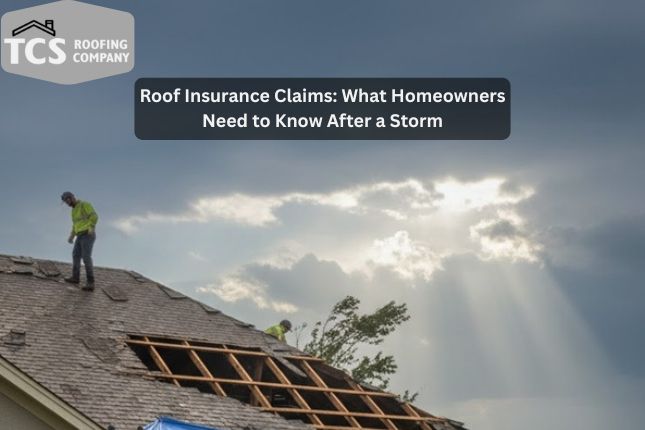
    After a storm with hail, roof damage can be significant, and understanding how to navigate insurance claims is crucial for homeowners. The Storm and hail roof damage is a common concern after severe weather, and knowing the key steps to take can help ensure you get the coverage you deserve while protecting your home.

    Understanding Storm & Hail Roof Damage

    Storms, especially hailstorms, can cause a range of roof damage—from minor dents in shingles to major structural issues that compromise your home’s integrity. Hailstones can impact roofs with remarkable force, leaving visible dents, cracks, or missing shingles, which can lead to leaks and further deterioration if not addressed promptly. Accurate damage assessment is essential, as insurers typically differentiate between cosmetic and functional damage, with coverage usually focused on damage affecting the roof’s ability to protect your home.​

    Key Types of Damage from Storm & Hail

    Dented or cracked shingles

    Missing or loose shingles

    Dented gutters or vents

    Leaks or water stains inside the house

    Structural damage to the roof deck​

    Timely inspection and documentation following a storm are vital in making insurance claims successful and preventing further damage.

    What Homeowners Need to Know About Insurance Coverage

    Most homeowners’ insurance policies include coverage for storm and hail damage, but there are important details to understand:

    Coverage Scope: Typically includes damage caused by wind, hail, and falling debris. However, policies can vary, so it’s essential to review your specific plan.​

    Documentation: Photos, videos, and detailed written logs of the damage and storm date are crucial for claim validation.​

    Claim Process: Involves immediate reporting, inspection by a claims adjuster, and coordination with roofing professionals for assessments.​

    Potential Exclusions: Wear and tear or pre-existing damage may not be covered, and some policies exclude cosmetic damage not affecting functionality.​

    Understanding these details helps homeowners avoid surprises and prepares them for the claims process.

    How to File a Roof Insurance Claim Effectively

    The process begins with thorough documentation of damage, followed by prompt contact with your insurer:

    Document Damage: Take high-quality photos and videos of all visible signs of damage from different angles. Include interior damage if water leaks are evident.​

    Schedule an Inspection: Contact your insurance provider to report the damage and request an adjuster inspection. It’s recommended to have a professional roofer present to provide expert opinion and ensure no damage is overlooked.​

    Review Your Policy: Understand what damages are covered, including deductibles, and assess whether the claim is worth pursuing based on repair costs.

    File the Claim Promptly: Most policies have deadlines for filing after a storm event. Provide all documentation and cooperate during the review process.​

    Working with Claims Adjusters

    Adjusters evaluate the damage and determine the payout, so homeowner cooperation is vital:

    Be present during the inspection if possible.

    Provide copies of photos, videos, and logs.

    Ask questions about the scope of damage and coverage.

    If disagreements arise, consider hiring a public adjuster or legal professional to advocate for fair compensation.​

    Maximizing Insurance Payouts

    To ensure optimal outcomes:

    Keep detailed records and documentation.

    Request written assessments and estimates.

    Don’t accept lowball offers; negotiate or seek independent evaluations if necessary.

    Understand your policy’s limits, deductibles, and depreciation impacts—especially if you have an Actual Cash Value (ACV) policy.​

    Read more: Emergency Roof Leak Repair

    Final Tips for Homeowners

    Regularly inspect your roof after storms, especially if you notice odd noises or leaks.

    Work only with licensed, reputable roofing contractors experienced in storm damage repair.

    Stay aware of policy exclusions and ensure your coverage aligns with storm risk in your region.

    In conclusion, storm & hail roof damage presents a significant challenge for homeowners, but with proper knowledge, prompt action, and professional support, claims can be managed efficiently. Always document damage immediately, communicate clearly with your insurance provider, and work with trusted roofing professionals to maximize your coverage and restore your home swiftly. Staying prepared and informed is the best defense against the unpredictability of severe weather events.

  • Signs You Need Roof Repair — Don’t Wait Until It’s Too Late

    Signs You Need Roof Repair — Don’t Wait Until It’s Too Late

    Your roof is your home’s first line of defense against harsh weather and environmental elements. But like any part of your home, it doesn’t last forever. Ignoring early warning signs of roof damage can lead to costly repairs—or even a full roof replacement.

    In this blog, we’ll break down the most common signs that your roof needs repair and explain why addressing these issues promptly can save you time, money, and stress.

    1. Visible Leaks or Water Stains

    One of the most obvious signs that your roof needs repair is water leaking into your home. You might notice:

    Water stains on your ceiling or walls

    Dripping water during or after rain

    Damp or musty odors in your attic

    These symptoms usually point to a compromised section of your roof. Even small leaks can quickly worsen, leading to mold growth, structural damage, and insulation problems.

    Don’t wait: Even a tiny leak can indicate a bigger issue hidden under the shingles.

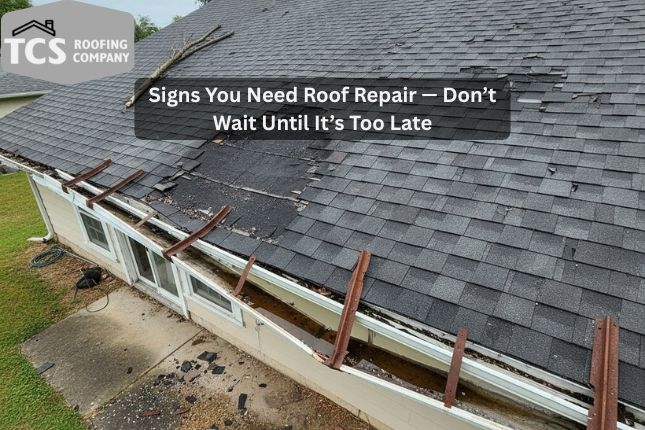
    2. Missing, Cracked, or Curling Shingles

    Shingles play a key role in protecting your roof from water and weather damage. If you spot:

    Shingles that are missing or blown off

    Cracked or broken shingles

    Shingles that curl at the edges

    …it’s time to schedule a roof inspection. Damaged shingles expose the underlayment of your roof, making it vulnerable to leaks and decay.

    3. Granules in the Gutters

    Asphalt shingles naturally shed granules over time. However, if you start seeing excessive granule buildup in your gutters or downspouts, it’s a warning sign that your shingles are deteriorating.

    Granules protect shingles from UV rays. When they wear off, your roof becomes more susceptible to sun damage and aging.

    4. Sagging Rooflines

    A sagging or uneven roofline is a serious red flag. It can indicate:

    Water damage in the decking or support beams

    Structural problems

    Excessive weight from moisture buildup or poor drainage

    Tip: Stand across the street and look at your roofline. It should appear straight and even. If there’s a dip or curve, contact a professional roofer immediately.

    5. Moss or Algae Growth

    While moss or dark streaks on your roof might seem harmless or just cosmetic, they can actually indicate moisture retention—a problem that can shorten your roof’s lifespan.

    Moss holds moisture against your shingles, which can cause them to lift and rot over time. If not cleaned and treated, it could eventually lead to leaks.

    6. Increased Energy Bills

    Have you noticed a spike in your heating or cooling bills? A poorly functioning roof could be the culprit. Gaps, leaks, or damaged insulation can allow air to escape, forcing your HVAC system to work harder.

    Repairing your roof can help restore energy efficiency and reduce your utility costs.

    7. Your Roof Is 15–20+ Years Old

    Even if you don’t notice any visible damage, age alone is a major factor. Most asphalt shingle roofs last around 20 years. If your roof is nearing—or has passed—that mark, it’s wise to schedule an inspection.

    Preventive repairs can extend your roof’s life and help you avoid emergency fixes later.

    Why Timely Roof Repair Matters

    Delaying roof repairs often leads to:

    More expensive fixes due to worsening damage

    Structural issues from prolonged water exposure

    Mold and mildew growth, which can affect your health

    Reduced property value or failed home inspections

    Addressing roof issues early keeps your home safe and preserves its long-term value.

    Watch now: Emergency Roof Leak Repair

    Final Thoughts

    Your roof is a major investment—protect it by watching for the early warning signs. If you’ve noticed any of the issues mentioned above, don’t wait. Contact a licensed roofing contractor for a professional inspection and timely repairs.

    Need expert roof repair?

    At TCS Roofing Company, a leading Roofing Contractor in Tennessee we specialize in fast, reliable roof inspections and repairs. Whether it’s a leak, shingle damage, or storm-related issues, our experienced team is here to help.

    Call us today or request a free roof inspection online!

  • How to Spot Hail Storm Damage on Your Roof Before It’s Too Late

    How to Spot Hail Storm Damage on Your Roof Before It’s Too Late

    Hailstorms can wreak havoc on your home, and your roof often takes the brunt of the impact. Identifying hail damage early can save you from costly repairs and prevent further deterioration. This guide outlines how to spot hail storm damage on roof, understand its implications, and take action before it’s too late.

    Understanding Hail Damage

    Hailstones, ranging from pea-sized to golf ball-sized or larger, can strike with enough force to crack, bruise, or dislodge roofing materials. The extent of the damage depends on the hail’s size, density, and the duration of the storm, as well as your roof’s age and material. Asphalt shingles, for instance, are particularly vulnerable, while metal roofs may dent but resist cracking. Recognizing the signs of hail damage early ensures you can address issues before they escalate into leaks or structural problems.

    Signs of Hail Damage on Your Roof

    1. Granule Loss on Asphalt Shingles

    Asphalt shingles are covered with granules that protect against UV rays and weather. Hail impacts can knock these granules loose, exposing the underlying material. Check for bald spots on shingles or excessive granules in your gutters or at the base of downspouts. A shiny or smooth appearance on shingles often indicates significant granule loss, which can accelerate wear and lead to leaks.

    2. Cracks and Bruises

    Hail can cause cracks or circular bruises on shingles, often with a soft or discolored center where the impact occurred. These areas may feel softer to the touch or show concentric rings, resembling a bullseye. On flat roofs or those with composite materials, look for fractures or small indentations. These subtle signs can be easy to miss but are critical indicators of damage.

    3. Damaged or Missing Shingles

    Severe hail can split or completely dislodge shingles. Look for missing patches or shingles that appear torn or curled. Even partial damage, like splits along the edges, can allow water to seep underneath, causing rot or mold in the roof deck.

    4. Leaks or Water Stains Indoors

    If you notice water stains on your ceiling or walls, it could indicate hail damage that has compromised your roof’s waterproofing. Check your attic for signs of leaks, such as damp insulation or watermarks on rafters. These are red flags that require immediate attention.

    How to Inspect Your Roof Safely

    Inspecting your roof for hail damage requires caution. If you’re comfortable, use a ladder to get a closer look, but prioritize safety. Wear sturdy shoes, secure the ladder, and avoid climbing in wet or windy conditions. If your roof is steep or high, consider hiring a professional roofer to conduct the inspection.

    Start by examining areas accessible from the ground using binoculars. Look at slopes facing the direction of the storm, as these are most likely to show damage. Check gutters for granule buildup and inspect nearby structures like chimneys or skylights. Take photos of any suspicious areas to document potential damage for insurance claims.

    Why Early Detection Matters

    Hail damage may not cause immediate leaks, but it weakens your roof’s defenses. Granule loss accelerates shingle deterioration, while cracks and dents create entry points for water. Over time, this can lead to mold, wood rot, or even structural issues. Early detection allows you to file insurance claims promptly, as many policies have time limits for reporting storm-related damage. Addressing minor issues now can prevent major repairs later.

    When to Call a Professional

    If you spot signs of hail damage or are unsure about your roof’s condition, contact an expert roofing contractorTCS Roofing Company. We can perform a thorough inspection, often using drones or specialized tools to assess hard-to-reach areas. A professional can also help you navigate insurance claims, ensuring you provide the necessary documentation, such as photos and repair estimates.

    Steps to Take After Identifying Damage

    Document the Damage: Take clear photos and notes of all affected areas. Include timestamps and details about the storm, such as hail size and date.

    Contact Your Insurance Provider: Report the damage as soon as possible. Most policies cover hail damage, but delays in reporting can complicate claims.

    Schedule Repairs: Work with a reputable contractor to repair or replace damaged sections. Avoid temporary fixes, as they may not fully address underlying issues.

    Consider Preventive Measures: If your area is prone to hail, discuss upgrading to impact-resistant roofing materials with your contractor.

    Watch Now: Emergency Roof Leak Repair Service TN US

    Protecting Your Roof Moving Forward

    To minimize future hail damage, maintain your roof regularly. Clear debris from gutters, inspect shingles annually, and address minor wear before storms hit. If you live in a hail-prone region, consider investing in Class 4 impact-resistant shingles, which are designed to withstand severe weather.

    Spotting hail damage early can save you time, money, and stress. By knowing what to look for and acting quickly, you can protect your home from the long-term effects of hailstorms. Regular inspections and prompt repairs ensure your roof remains a reliable shield against the elements.