Tag: Roof Repair

  • How to Prevent Roof Leaks During the Rainy/Monsoon Season

    How to Prevent Roof Leaks During the Rainy/Monsoon Season

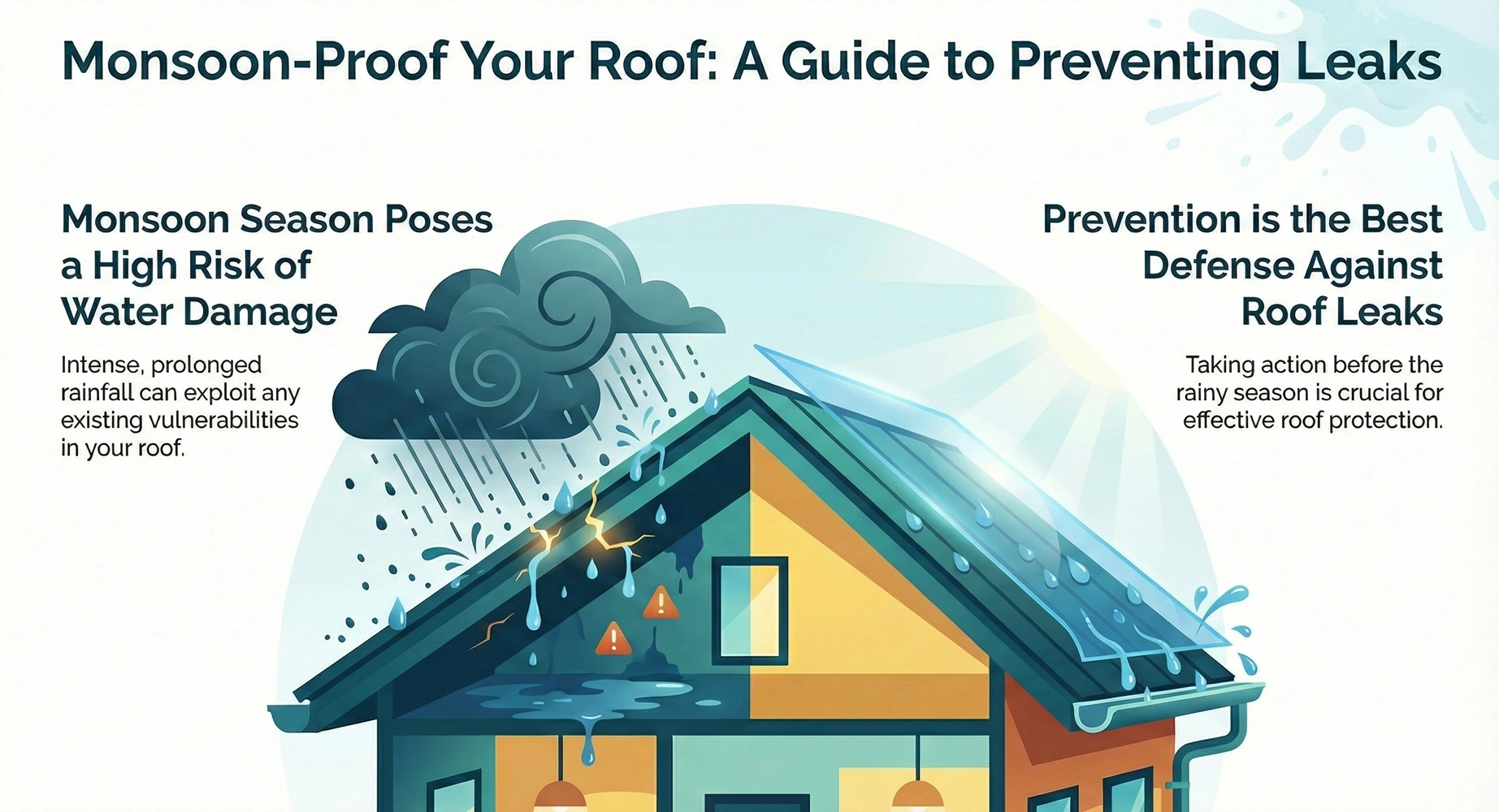
    Roof leaks during the rainy or monsoon season can cause significant damage to your home, leading to water stains, mold growth, and structural issues. Preventing roof leaks requires proactive maintenance and simple strategies tailored for heavy rainfall periods like India’s monsoons.

    Pre-Monsoon Roof Inspection

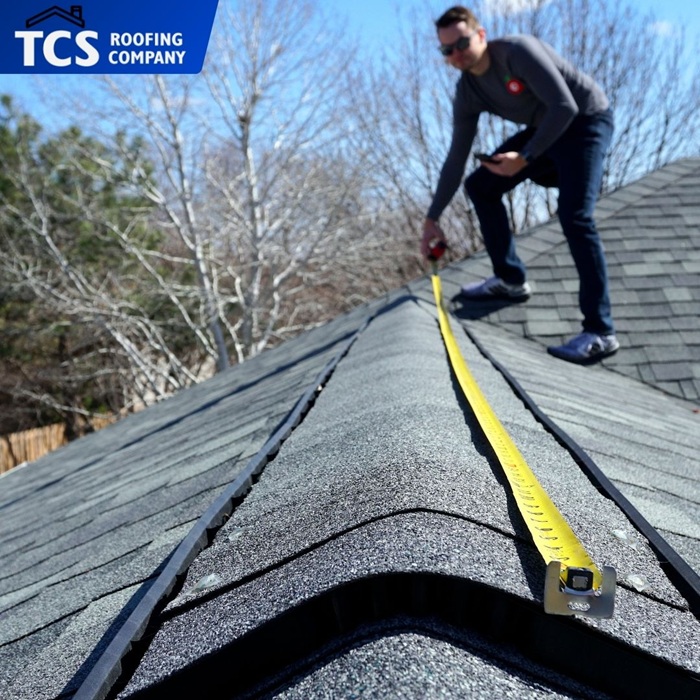
    Start your prevention efforts with a thorough inspection before the rains arrive. Climb up safely or use binoculars to check for cracked, curled, or missing shingles, as these create entry points for water. Look for rust on metal flashes around chimneys, blisters on flat roofs, and accumulated debris like leaves that trap moisture. Addressing these early prevents minor issues from escalating during downpours.

    Clean Gutters and Downspouts

    Clogged gutters are a primary cause of leaks, as backed-up water overflows and seeps under tiles or roofing material. Schedule a cleaning at least twice a year—once before monsoon and after major storms—to ensure free-flowing drainage. Inspect downspouts for blockages and extend them away from the foundation to avoid pooling at the base of your home, which can lead to foundation cracks over time.

    Seal Cracks and Joints

    Gaps in joints around chimneys, vents, valleys, and skylights allow rainwater to infiltrate. Apply high-quality roof sealant or silicone caulk to these areas after cleaning them dry and debris-free. For flat roofs common in India, use polyurethane liquid membranes or sheet waterproofing to form a seamless barrier that flexes with temperature changes without cracking. Reapply every 2-3 years for lasting protection.

    Trim Overhanging Branches

    Tree branches rubbing against your roof during winds loosen shingles and create openings for leaks. Trim branches at least 10 feet away from the roofline to minimize debris fall and storm damage. Remove deadwood and keep surrounding vegetation low to reduce leaf buildup, which exacerbates gutter clogs during monsoons.

    Apply Waterproof Coatings

    Coatings add an extra layer of defense against relentless monsoon rains. Opt for acrylic or polyurethane-based roof paints that penetrate and seal porous surfaces, preventing water absorption. These are especially effective on concrete terraces; apply two coats after surface prep for UV and water resistance, extending roof life by years.

    Improve Attic Ventilation

    Poor attic airflow traps humidity, weakening roof decking from the inside and promoting leaks. Install ridge vents, soffit vents, or powered attic fans to circulate air and reduce condensation buildup. In humid regions like Uttar Pradesh, this step is crucial during monsoons to prevent mold and rot without compromising insulation.

    Emergency Fixes for Sudden Leaks

    If rain starts before full prep, use tarps secured with concrete blocks or nails over damaged areas to divert water temporarily. Place roofing tar or peel-and-stick patches on small holes, and position buckets indoors while monitoring from attic access points. These buy time for professional repairs without letting water cause interior havoc.

    Watch Now: Insurance Claim for Roof Damage by Storm

    Professional Help and Long-Term Tips

    For roofs over 10 years old or complex issues like flashing replacement, hire certified roofers annually—spring, fall, and post-storm. In Kanpur’s climate, combine inspections with thermal imaging for hidden leaks undetectable by eye. Invest in durable materials like metal sheets or Onduline profiles for monsoon-prone areas, as they resist corrosion better than aging tiles.

    Prevention StepFrequencyKey Benefit
    Roof InspectionTwice yearly + post-stormSpots vulnerabilities early
    Gutter CleaningBefore/after monsoonPrevents overflow and seepage
    Sealing JointsEvery 2-3 yearsBlocks water at flashings and valleys
    Waterproof CoatingEvery 3-5 yearsSeals porous surfaces
    Branch TrimmingAnnuallyReduces debris and wind damage

    Regular adherence to these steps safeguards your home investment. Consistent care not only averts costly repairs but also enhances energy efficiency by minimizing moisture-related heat loss. Stay vigilant, and your roof will weather the monsoons reliably.

  • Emergency Roof Repair: What to Do When Storm Damage Hits Middle Tennessee

    Emergency Roof Repair: What to Do When Storm Damage Hits Middle Tennessee

    Middle Tennessee’s unpredictable weather, from severe thunderstorms and hail to high winds, often leaves roofs battered and homeowners scrambling. Acting fast after storm damage can prevent minor issues from becoming costly disasters. This guide outlines essential steps tailored to Middle Tennessee homes, where asphalt shingles dominate and local contractors like TCS Roofer in Nashville and Franklin respond 24/7.

    Stay Safe First

    Prioritize your safety above all after a storm hits areas like Nashville, Murfreesboro, or Clarksville. Avoid climbing onto a wet or unstable roof, especially with Middle Tennessee’s frequent ice storms or downed power lines from high winds. Inspect from the ground using binoculars for obvious issues like missing shingles or fallen branches, and stay indoors if lightning or flooding risks persist.

    Evacuate immediately if you spot sagging ceilings, bowing trusses, or major water pooling inside—these signal structural risks common in older ranch-style homes prevalent here. Middle Tennessee’s clay-heavy soils can exacerbate foundation shifts post-storm, making caution critical.

    Spot the Damage Signs

    Middle Tennessee storms pack hail up to golf-ball size and winds over 70 mph, shredding shingles and denting metal roofs on barns or modern builds. Look for curled or missing asphalt shingles (standard in 80% of local homes), cracked vents, granule loss in gutters, or exposed decking—hallmarks of hail impact.

    Indoors, check for water stains on ceilings, warped insulation, or mold growth in attics, which humid summers amplify. High winds often lift flashing around chimneys, a frequent fail point in brick-heavy Tennessee architecture. Document everything with timestamped photos from multiple angles for insurance claims, as local carriers like State Farm prioritize visual proof.

    Quick Temporary Fixes

    Don’t delay—cover exposed areas immediately to shield against follow-up rains common in Middle Tennessee’s stormy springs. Secure a heavy-duty tarp (at least 8-mil thick) over damaged sections using 2×4 boards, nails, or bungee cords; avoid tape alone, as it fails in wind.  

    Clear gutters and downspouts of debris to prevent backups, and place buckets under indoor leaks while moving furniture. For minor shingle gaps, apply roofing cement sparingly from a caulk gun, but skip this on steep pitches or if unsafe. These steps buy 24-48 hours until pros arrive, minimizing water intrusion that could rot local pine framing.

    Call Local Pros Immediately

    Contact licensed Middle Tennessee roofers offering 24/7 emergency service, such as TCS Roofer in Nashville who handle hail and wind damage routinely. Get free inspections; we use drones for safe assessments on multi-story homes in Hendersonville or Smyrna.

    Navigate Insurance Claims

    Middle Tennessee’s storm alley status means most policies cover wind/hail deductibles (often 1-2% of home value, around $2,000-$4,000 for a $300K house). File claims promptly: notify your agent within 24 hours, provide photos, and let roofers like TCS Roofer coordinate adjuster visits – we knew State Farm and Allstate quirks here.

    Request an Xactimate estimate (industry standard) and supplements for overlooked damage. Tennessee law mandates fair claims handling; if denied, appeal via the Department of Insurance. Full replacements often qualify if granule loss exceeds 30% or three-tab shingles fail integrity tests.

    Claim StepActionLocal Tip
    Notify InsurerCall agent with policy #Use TN FAIR Plan if underinsured
    Pro InspectionSchedule within 48 hrsDrones speed Nashville approvals
    Approval & RepairSign work orderCash-claim for deductibles common

    Understand Common Repairs

    Asphalt shingle patches fix wind-lifted areas, while hail demands full sections or overlays. Middle Tennessee’s freeze-thaw cycles worsen cracks, so pros seal with ice-and-water shields under new layers. Expect 1-3 days for emergencies, longer for totals.

    Costs range $5-$12 per sq ft for repairs, $400-$800/square for replacements; insurance covers most after deductible. Upgrades to impact-resistant shingles (Class 4) cut future premiums 20-30% via USAA or similar.

    Prevent Future Damage

    Trim overhanging oaks (common in Franklin yards) pre-storm, and install leaf guards on gutters. Annual inspections beat reactive fixes—Middle Tennessee’s National Weather Service issues hail watches; monitor via weather.gov for prep. Gutter helmets or ridge vents improve airflow, reducing ice dams in winter.

    Opt for 30–50-year architectural shingles rated for 130 mph winds, standard post-2011 tornadoes. Enroll in local alerts like Nashville’s N.O.A.H. for early warnings.

    Watch Now: Benefits of Drone Roof Inspection

    Why Middle Tennessee Faces High Risk

    The region’s rolling hills funnel storms from the Gulf, spawning supercells with baseball hail and 100 mph gusts—2024 saw 50+ severe events. Clay soils swell post-rain, stressing roofs on slab homes. Proactive maintenance saves thousands amid rising premiums (up 15% yearly).

  • Roof Insurance Claims: What Homeowners Need to Know After a Storm

    Roof Insurance Claims: What Homeowners Need to Know After a Storm

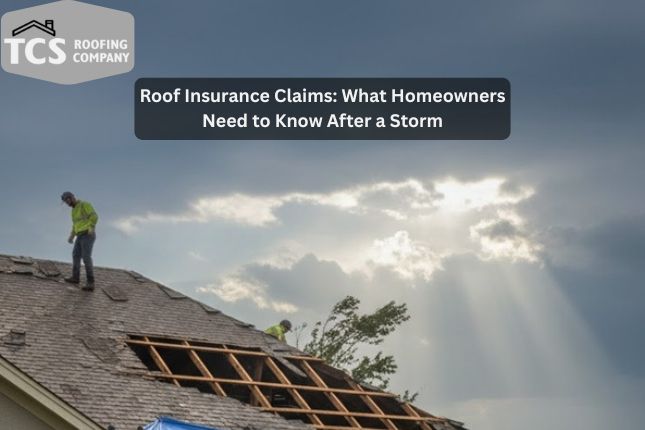
    After a storm with hail, roof damage can be significant, and understanding how to navigate insurance claims is crucial for homeowners. The Storm and hail roof damage is a common concern after severe weather, and knowing the key steps to take can help ensure you get the coverage you deserve while protecting your home.

    Understanding Storm & Hail Roof Damage

    Storms, especially hailstorms, can cause a range of roof damage—from minor dents in shingles to major structural issues that compromise your home’s integrity. Hailstones can impact roofs with remarkable force, leaving visible dents, cracks, or missing shingles, which can lead to leaks and further deterioration if not addressed promptly. Accurate damage assessment is essential, as insurers typically differentiate between cosmetic and functional damage, with coverage usually focused on damage affecting the roof’s ability to protect your home.​

    Key Types of Damage from Storm & Hail

    Dented or cracked shingles

    Missing or loose shingles

    Dented gutters or vents

    Leaks or water stains inside the house

    Structural damage to the roof deck​

    Timely inspection and documentation following a storm are vital in making insurance claims successful and preventing further damage.

    What Homeowners Need to Know About Insurance Coverage

    Most homeowners’ insurance policies include coverage for storm and hail damage, but there are important details to understand:

    Coverage Scope: Typically includes damage caused by wind, hail, and falling debris. However, policies can vary, so it’s essential to review your specific plan.​

    Documentation: Photos, videos, and detailed written logs of the damage and storm date are crucial for claim validation.​

    Claim Process: Involves immediate reporting, inspection by a claims adjuster, and coordination with roofing professionals for assessments.​

    Potential Exclusions: Wear and tear or pre-existing damage may not be covered, and some policies exclude cosmetic damage not affecting functionality.​

    Understanding these details helps homeowners avoid surprises and prepares them for the claims process.

    How to File a Roof Insurance Claim Effectively

    The process begins with thorough documentation of damage, followed by prompt contact with your insurer:

    Document Damage: Take high-quality photos and videos of all visible signs of damage from different angles. Include interior damage if water leaks are evident.​

    Schedule an Inspection: Contact your insurance provider to report the damage and request an adjuster inspection. It’s recommended to have a professional roofer present to provide expert opinion and ensure no damage is overlooked.​

    Review Your Policy: Understand what damages are covered, including deductibles, and assess whether the claim is worth pursuing based on repair costs.

    File the Claim Promptly: Most policies have deadlines for filing after a storm event. Provide all documentation and cooperate during the review process.​

    Working with Claims Adjusters

    Adjusters evaluate the damage and determine the payout, so homeowner cooperation is vital:

    Be present during the inspection if possible.

    Provide copies of photos, videos, and logs.

    Ask questions about the scope of damage and coverage.

    If disagreements arise, consider hiring a public adjuster or legal professional to advocate for fair compensation.​

    Maximizing Insurance Payouts

    To ensure optimal outcomes:

    Keep detailed records and documentation.

    Request written assessments and estimates.

    Don’t accept lowball offers; negotiate or seek independent evaluations if necessary.

    Understand your policy’s limits, deductibles, and depreciation impacts—especially if you have an Actual Cash Value (ACV) policy.​

    Read more: Emergency Roof Leak Repair

    Final Tips for Homeowners

    Regularly inspect your roof after storms, especially if you notice odd noises or leaks.

    Work only with licensed, reputable roofing contractors experienced in storm damage repair.

    Stay aware of policy exclusions and ensure your coverage aligns with storm risk in your region.

    In conclusion, storm & hail roof damage presents a significant challenge for homeowners, but with proper knowledge, prompt action, and professional support, claims can be managed efficiently. Always document damage immediately, communicate clearly with your insurance provider, and work with trusted roofing professionals to maximize your coverage and restore your home swiftly. Staying prepared and informed is the best defense against the unpredictability of severe weather events.

  • Signs You Need Roof Repair — Don’t Wait Until It’s Too Late

    Signs You Need Roof Repair — Don’t Wait Until It’s Too Late

    Your roof is your home’s first line of defense against harsh weather and environmental elements. But like any part of your home, it doesn’t last forever. Ignoring early warning signs of roof damage can lead to costly repairs—or even a full roof replacement.

    In this blog, we’ll break down the most common signs that your roof needs repair and explain why addressing these issues promptly can save you time, money, and stress.

    1. Visible Leaks or Water Stains

    One of the most obvious signs that your roof needs repair is water leaking into your home. You might notice:

    Water stains on your ceiling or walls

    Dripping water during or after rain

    Damp or musty odors in your attic

    These symptoms usually point to a compromised section of your roof. Even small leaks can quickly worsen, leading to mold growth, structural damage, and insulation problems.

    Don’t wait: Even a tiny leak can indicate a bigger issue hidden under the shingles.

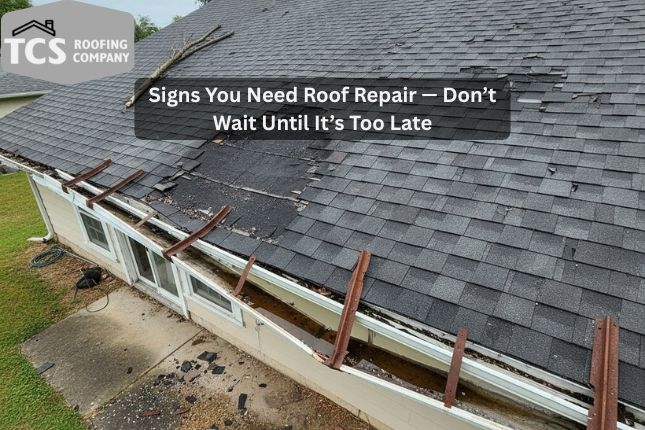
    2. Missing, Cracked, or Curling Shingles

    Shingles play a key role in protecting your roof from water and weather damage. If you spot:

    Shingles that are missing or blown off

    Cracked or broken shingles

    Shingles that curl at the edges

    …it’s time to schedule a roof inspection. Damaged shingles expose the underlayment of your roof, making it vulnerable to leaks and decay.

    3. Granules in the Gutters

    Asphalt shingles naturally shed granules over time. However, if you start seeing excessive granule buildup in your gutters or downspouts, it’s a warning sign that your shingles are deteriorating.

    Granules protect shingles from UV rays. When they wear off, your roof becomes more susceptible to sun damage and aging.

    4. Sagging Rooflines

    A sagging or uneven roofline is a serious red flag. It can indicate:

    Water damage in the decking or support beams

    Structural problems

    Excessive weight from moisture buildup or poor drainage

    Tip: Stand across the street and look at your roofline. It should appear straight and even. If there’s a dip or curve, contact a professional roofer immediately.

    5. Moss or Algae Growth

    While moss or dark streaks on your roof might seem harmless or just cosmetic, they can actually indicate moisture retention—a problem that can shorten your roof’s lifespan.

    Moss holds moisture against your shingles, which can cause them to lift and rot over time. If not cleaned and treated, it could eventually lead to leaks.

    6. Increased Energy Bills

    Have you noticed a spike in your heating or cooling bills? A poorly functioning roof could be the culprit. Gaps, leaks, or damaged insulation can allow air to escape, forcing your HVAC system to work harder.

    Repairing your roof can help restore energy efficiency and reduce your utility costs.

    7. Your Roof Is 15–20+ Years Old

    Even if you don’t notice any visible damage, age alone is a major factor. Most asphalt shingle roofs last around 20 years. If your roof is nearing—or has passed—that mark, it’s wise to schedule an inspection.

    Preventive repairs can extend your roof’s life and help you avoid emergency fixes later.

    Why Timely Roof Repair Matters

    Delaying roof repairs often leads to:

    More expensive fixes due to worsening damage

    Structural issues from prolonged water exposure

    Mold and mildew growth, which can affect your health

    Reduced property value or failed home inspections

    Addressing roof issues early keeps your home safe and preserves its long-term value.

    Watch now: Emergency Roof Leak Repair

    Final Thoughts

    Your roof is a major investment—protect it by watching for the early warning signs. If you’ve noticed any of the issues mentioned above, don’t wait. Contact a licensed roofing contractor for a professional inspection and timely repairs.

    Need expert roof repair?

    At TCS Roofing Company, a leading Roofing Contractor in Tennessee we specialize in fast, reliable roof inspections and repairs. Whether it’s a leak, shingle damage, or storm-related issues, our experienced team is here to help.

    Call us today or request a free roof inspection online!

  • What Are the Different Types of Roof Repair Services?

    What Are the Different Types of Roof Repair Services?

    Your roof is a critical part of your home, shielding you and your family from the elements. Over time, due to weather, wear, and unexpected accidents, roofs require repair and maintenance to keep them functioning effectively and safely. Understanding the different types of roof repair services helps you choose the right solution tailored to your roof’s needs. In this blog, we will explore five essential roof repair services: Shingle Replacement, Roof Restoration, Roofing Inspection, Emergency Roofing Services, and Leak Repair.

    Roofing Inspection

    Regular roofing inspections are vital for identifying potential issues before they escalate into costly repairs. A roof inspection involves a detailed examination of your roof’s condition, including checking shingles or tiles, flashing, gutters, and structural elements.

    Professional inspectors look for signs of wear, damage, leaks, and any vulnerabilities caused by weather or age. Inspections help catch minor problems early, such as small cracks or loose shingles, and enable preventive maintenance that keeps your roof in good condition. Inspections can be scheduled annually or after severe weather events to maintain the roof’s integrity and prolong its lifespan.

    Shingle Replacement

    Shingles are one of the most common roofing materials. It protects your home by shedding water and preventing leaks. However, shingles can become damaged or aged due to harsh weather such as heavy rain, strong winds, or intense heat, which causes cracking, curling, or even granule loss. When shingles are missing or broken, the roof becomes vulnerable to water infiltration and further structural damage.

    Shingle replacement involves carefully removing the damaged shingles and installing new ones to seamlessly integrate with the existing roof. This process restores the roof’s water resistance and appearance. If only a few shingles are affected, a targeted replacement can effectively protect the roof. However, if a large portion of shingles is damaged or the roof has aged significantly, a more extensive approach or roof restoration may be recommended.

    Roof Restoration

    Roof restoration is a comprehensive service aimed at extending the lifespan of your roof while enhancing its appearance and functionality. It involves cleaning, repairing, and treating roofing materials to restore them to good condition rather than replacing the entire roof.

    The restoration process typically begins with a thorough cleaning by power washing to remove dirt, moss, and debris. Damaged tiles or shingles are repaired or replaced, and any rust on metal roofs is treated with inhibitors. After cleaning and repairs, protective coatings such as acrylic, silicone, or elastomeric are applied to seal and protect the roof from further damage.

    Roof restoration not only improves curb appeal but also increases your home’s value and ensures the roof provides lasting protection. It is a cost-effective alternative to full roof replacement when the roof structure remains sound.

    Emergency Roofing Services

    Emergencies can strike at any time, and when they do, prompt roof repair services are critical to prevent serious damage. Emergency roofing services address urgent issues like storm damage, fallen trees, severe leaks, or structural damage that compromise the safety of your home.

    Common emergency solutions include temporarily covering damaged areas with tarps to prevent water entry, replacing broken or missing shingles, quickly sealing leaks with waterproof sealants, and reinforcing weakened structures. These services stabilize the roof and protect your home from further harm until permanent repairs can be made.

    Calling emergency roof repair services immediately after visible damage or leaks helps minimize costly damage and ensures your family’s safety.

    Leak Repair

    Leak repair is one of the most common and crucial roof repair services. Roof leaks can originate from damaged flashing, cracked vent pipes, deteriorated sealant, or gaps around chimneys and skylights. Water infiltration can lead to serious problems including mold growth, weakened roof structure, and interior damage.

    Leak repair involves locating the exact source of the leak and applying appropriate fixes such as resealing, patching cracks, or replacing damaged flashing. Using specialized waterproof materials ensures the repair is long-lasting and prevents water from entering the home.

    Prompt leak repair protects your roof and home, prevents further damage, and saves you money in the long run.

    Watch Now: Emergency Roof Leak Repair in Gallatin TN US

    Maintaining a sound roof requires attention and timely repair services. Whether it is replacing worn-out shingles, restoring an aging roof, scheduling an inspection, responding to emergencies, or fixing leaks, each type of roof repair service plays a vital role in protecting your home. Understanding these services equips you to make informed decisions that safeguard your investment and provide peace of mind. Regular maintenance and timely repairs are your best defense against costly roof damage.

    TCS Roofing Company specializes in expert commercial and residential roof replacement and repair services. Dedicated to quality craftsmanship and dependable service, we manage everything from minor repairs to complete roof replacements. Our skilled team utilizes premium materials to guarantee lasting protection and durability. Whether it’s your home or business, TCS Roofing company, expert roofing contractor in Gallatin TN provides customized, trustworthy solutions designed to meet your specific needs—ensuring safety, efficiency, and exceptional customer satisfaction at every stage of the project.