Tag: Roofing Company

  • Flat Roof vs Pitched Roof: Which One is Better for Your Home

    Flat Roof vs Pitched Roof: Which One is Better for Your Home

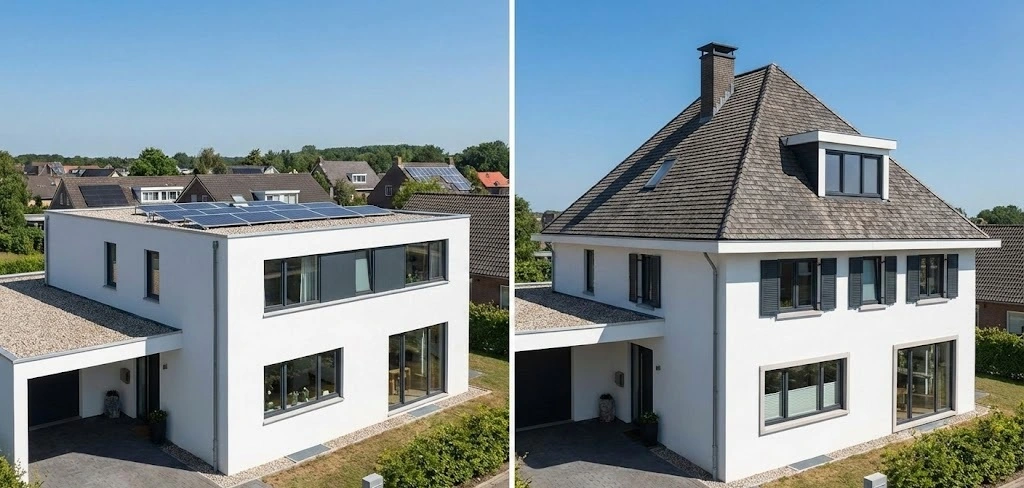
    Choosing between a flat roof and a pitched roof is a crucial decision for homeowners, as each offers unique benefits and challenges. A pitched roof, with its sloping design, excels in shedding rain and snow, minimizing leaks, and often lasts longer than a flat roof due to less water accumulation and better ventilation. Pitched roofs also tend to enhance a home’s curb appeal and add attic space, making them popular in traditional neighborhoods. However, they are usually more expensive to install and maintain.

    Flat roofs, on the other hand, provide a modern aesthetic and are generally cheaper to build initially. They are ideal for installing solar panels and can be used for rooftop gardens or additional living space. Yet, flat roofs require more frequent maintenance and are more prone to leaks if not properly maintained, especially in areas with heavy rainfall or snowfall. They are more common in commercial buildings and contemporary homes.

    When deciding which roof is better for your home, consider your climate, architectural style, budget, and long-term maintenance needs. If you live in a region with harsh weather, a pitched roof is typically more reliable and durable. For a modern look or urban setting, a flat roof may be preferable, especially if you plan to utilize the roof space for solar panels or recreational use. Both types can be energy efficient with proper insulation and design, but pitched roofs generally offer better insulation and ventilation.

    TCS Roofing Company

    For expert guidance and reliable installation or repair, TCS Roofing in Nashville offers comprehensive services for both flat and pitched roofs. With a commitment to top-quality materials and honest service, TCS Roofing Company helps homeowners in Middle Tennessee choose and maintain the best roofing solution for their needs, whether it’s a classic pitched roof or a modern flat roof. Their experienced team provides thorough inspections, repairs, and replacements, ensuring your roof stands up to local weather conditions and lasts for years to come.

    In summary, both flat and pitched roofs have their place in residential construction. Your choice should be based on climate, style, and practical needs. With professional help from companies like TCS Roofing, you can ensure your roof is both functional and beautiful, protecting your home for years to come.

    ​Watch Now: Commercial and Residential Roofing in Tennessee US

  • 6 Best Roof Inspection Companies in Nashville, TN

    6 Best Roof Inspection Companies in Nashville, TN

    Finding a trustworthy roof inspection can save you time, money, and headaches down the line. Below are six reputable options Roof Inspection Companies in Nashville and the surrounding Middle Tennessee area, including TCS Roofing, to help you choose the best fit for your home or business.

    TCS Roofing (Nashville, TN)

    Overview: Local experts serving Middle Tennessee with a focus on accurate assessments, timely repairs, and honest pricing. They handle residential and commercial inspections, storm-related damage evaluations, and insurance claim support.

    Why consider them: Strong emphasis on quick response, transparent communications, and comprehensive services from inspection through repair or replacement.

    What to expect from an inspection: Thorough assessment of roofing materials, flashing, attic ventilation, gutters, leaks, and potential underlying issues; clear, itemized recommendations and next steps.

    Typical services tied to inspections: Leak detection, moisture checks, shingle and flashing evaluations, roof repair quotes, and guidance on insurance claims if damage is found.

    Why they stand out: Local reputation for reliability and homegrown service, with a complete ecosystem from inspection to restoration.

    Tim Leeper Roofing (Nashville, TN area)

    Overview: Established local contractor known for inspections, repairs, and replacements on both residential and commercial roofs.

    Strengths: Longstanding presence in the community, recognized for accuracy in assessments and follow-through on repairs.

    What to expect: A detailed inspection report, followed by transparent pricing for recommended repairs or replacements.

    Ford Roofing Company (Franklin, TN area)

    Overview: Franklin-based firm serving Nashville and nearby counties, with strong emphasis on residential inspections and repairs.

    Strengths: Experienced team and thorough evaluation of roof condition, gutters, chimneys, and related components.

    What to expect: Comprehensive assessment with clear quotes and scheduling for necessary work.

    Five Points Roofing (Franklin, TN area)

    Overview: Family-owned and licensed general contractor in Franklin serving Nashville and surrounding areas.

    Strengths: Personal approach, with emphasis on listening to homeowner needs and offering practical, insurance-related solutions.

    What to expect: In-depth inspection results, guidance on the insurance claim process, and options for replacement or repair as appropriate.

    Quality Exteriors (Murfreesboro, TN area)

    Overview: Large insurance restoration contractor that handles wind and hail damage, plus general repairs.

    Strengths: Experience with insurance-driven projects, which can streamline claims and remediation.

    What to expect: A rigorous inspection that translates into insurer-friendly documentation and repair or replacement recommendations.

    Sumner Roofing & Exteriors (Hendersonville, TN area)

    Overview: Provides repair and installation services for residential and commercial roofing, plus exterior improvements.

    Strengths: Broad service scope can be advantageous for projects requiring coordination across trades (e.g., windows, siding, insulation) alongside roofing.

    What to expect: A detailed inspection with a clear plan for repairs or upgrades, often coordinated with other exterior work if needed.

    How to choose the right roof inspection company

    Define your needs: Do you primarily need a diagnostic inspection for a potential leak, or a full assessment in preparation for a replacement or insurance claim?

    Check credentials: Look for licensed professionals, proper insurance, and positive local reviews.

    Request a detailed scope: A good inspection report should include a visible condition assessment, moisture checks, attic ventilation review, and pest/rot indicators where relevant.

    Compare quotes and timelines: Get itemized estimates and realistic timelines for inspection, reporting, and any proposed work.

    Assess aftercare: Ensure the company offers clear next steps, warranty information, and support with insurance claims if needed.

    What to prepare before the inspection

    Document current issues: Note locations of leaks, stains, damp spots, or suspected problem areas.

    Gather maintenance records: Previous repairs, roof dates, and material types can help the inspector.

    Create a weather window: Try to schedule inspections after a storm or when you’ve observed a problem, but avoid dangerous conditions.

    Understanding what a roof inspection includes

    Exterior inspection: Shingles, flashing, Valleys, vents, fascia, soffit, gutters, downspouts, and signs of wind or hail damage.

    Interior inspection: Attic space, insulation adequacy, moisture presence, roof decking condition, and potential attic leaks.

    Diagnostic tests: Moisture meters, infrared scanning, or moisture sensing in suspected areas may be used by some firms.

    Report and recommendations: A written assessment outlining found issues, urgent repairs, long-term needs, and cost estimates.

    How to use inspection results

    Prioritize repairs: Address urgent leaks or structural concerns first to prevent further damage.

    Plan for replacement: If a roof has reached the end of its life, use the inspection to guide material choice and budget planning.

    Navigate insurance: If damage is storm-related, an inspection report can support a claim. Ask the Roofing contractor about documentation that insurers typically require.

    Conclusion

    Choosing a qualified roof inspection company in Nashville ensures accurate assessments and effective remediation. TCS Roofing stands out as a locally trusted option with a full spectrum of services from inspection to repair, making it a strong contender in your search. Other reputable options in the region include Tim Leeper Roofing, Ford Roofing Company, Five Points Roofing, Quality Exteriors, and Sumner Roofing & Exteriors, each bringing distinct strengths in insurance support, customer service, and comprehensive exterior work. When in doubt, request written scopes, compare pricing, and verify licenses to ensure the best outcome for your property.

    ​Watch Now: Emergency Roof Leak Repair – Reliable Protection for Your Property
  • The Complete Roof Replacement Checklist: Costs, Timeline & Tips

    The Complete Roof Replacement Checklist: Costs, Timeline & Tips

    Replacing your roof is one of the biggest home investments you’ll make. A worn-out roof doesn’t just look bad—it can lead to leaks, structural damage, and skyrocketing energy bills. But with the right checklist, you can navigate the process smoothly, save money, and ensure lasting results. This guide for Complete Roof Replacement Checklist breaks down everything from costs and timelines to pro tips, helping you make informed decisions.

    Whether your roof is 20+ years old, damaged by storms, or simply inefficient, a full replacement beats patching. Asphalt shingles dominate U.S. homes (about 75% market shares). Let’s dive into the checklist.

    Step 1: Assess Your Roof’s Condition

    Start here to confirm replacement is necessary.

    Inspect visually: Climb a ladder (safely!) or hire a pro for signs like missing granules, curling shingles, daylight through cracks, or interior stains/ceiling spots.

    Check age and material: Asphalt lasts 20-30 years; metal 40-70; tile 50+. Use manufacturer warranties as a guide.

    Test for issues: Probe soft spots, measure attic insulation, and scan for mold or pests.

    Tip: Document damage with photos for insurance claims. If under 15 years old, repairs might suffice—saving 30-50% over replacement.

    Hire a certified inspector ($300-600) to avoid surprises. Expect this phase to take 1-2 days.

    Step 2: Research and Budget for Costs

    Roof replacement costs vary widely by size, location, materials, and labor. National averages in 2025 hover at $8,000-$25,000 for a 1,500-2,000 sq ft home, or $5-$20 per sq ft installed.

    Cost Breakdown Table

    MaterialCost per Sq Ft (Materials + Labor)DurabilityBest For
    Asphalt Shingles$5-$1220-30 yrsBudget homes, most climates
    Metal$10-$2040-70 yrsDurability, hail-prone areas
    Wood Shakes$12-$1820-40 yrsAesthetic appeal, mild weather
    Tile/Clay$15-$2550+ yrsSouthwest styles, fire resistance
    Synthetic/Slate$18-$3050+ yrsLuxury, low maintenance

    Additional Expenses:

    Tear-off/disposal: $1-$2 per sq ft

    Underlayment/flashing: $500-$2,000

    Permits/inspections: $200-$1,000

    Gutters/ventilation upgrades: $1,000-$5,000

    Factors inflating costs: Steep pitches (+20%), multi-story homes (+15%), urban areas (labor shortages), or eco-upgrades like cool roofs (energy rebates up to $1,500 via Inflation Reduction Act).

    Budget Tip: Get 3-5 quotes. Aim for 10-15% contingency. Financing options like home equity loans or manufacturer rebates can ease the hit.

    Step 3: Choose Materials and Features

    Match to your climate, style, and budget.

    Prioritize energy efficiency: Reflective “cool roofs” cut cooling bills by 10-15%.

    Go green: Solar shingles (e.g., Tesla Solar Roof) integrate panels, qualifying for 30% federal tax credits.

    Warranty check: Lifetime prorated for premium brands like GAF or CertainTeed.

    Pro Tip: Avoid cheapest bids—lowballers skimp on nails or underlayment, leading to early failures. Look for Energy Star-rated products.

    Step 4: Select and Vet Contractors

    Your roofer makes or breaks the job.

    Credentials: Licensed, insured (liability + workers’ comp), Owens Corning or GAF certified.

    Reviews: Check BBB, Angi (formerly Angie’s List), and recent Google reviews (4.5+ stars).

    References: Visit 2-3 past jobs; ask about communication and cleanup.

    Sign a detailed contract covering scope, timeline, payment schedule (e.g., 30% deposit, 60% mid-job, 10% final), and warranties. Expect contractor selection to take 1 week.

    Step 5: Timeline and Project Phases

    A standard 2,000 sq ft roof takes 3-5 days in good weather, but plan for 1-2 weeks total with prep/delays.

    Typical Timeline

    Prep (1-2 days): Permits, dumpster delivery, tarps for protection.

    Tear-off (1 day): Remove old layers (most codes limit to two).

    Inspection/Repair (half day): Fix decking, add ice-water shield.

    Installation (1-3 days): New underlayment, shingles/flashing, ridge vents.

    Cleanup/Final (1 day): Magnetic sweep, final walk-through.

    Weather Delays: Rain or wind pushes back 2-7 days. Schedule in spring/fall for best conditions.

    Watch Now: Roofing Services Provider in Tennessee US

    Step 6: During and Post-Installation Tips

    Minimize disruptions.

    Prep your home: Move cars/patio items, trim overhanging branches.

    Monitor daily: Ensure daily cleanup; voice concerns immediately.

    Post-job checks: Test for leaks after first rain, verify flashing around chimneys/vents.

    Maintenance for Longevity: Annual inspections, clean gutters twice yearly, trim trees. This extends life by 5-10 years.

    Common Pitfalls to Avoid

    Skipping ventilation: Causes ice dams/attic heat (add $500 ridge vents).

    Ignoring local codes: Fines up to $1,000.

    Rushing in storm season: Inflated “emergency” prices.

    Final Thoughts: Invest Wisely for Peace of Mind

    A quality roof replacement boosts curb appeal (ROI ~60-70% per Remodeling Magazine), enhances insulation, and prevents $10,000+ in water damage. By following this checklist, you’ll control costs, and enjoy 20-50 years of protection.

    Ready to start? Get quotes now with TCS Roofing Company, leading roofing contractors in Middle Tennessee, USA

  • The 5 Best Roofing Companies in Madison TN

    The 5 Best Roofing Companies in Madison TN

    Choosing the right roofing company in Madison, TN, is essential for protecting your home and ensuring long-term durability. With so many options available, it can be overwhelming to pick a contractor you can trust. This blog highlights the five best roofing companies in Madison TN, including TCS Roofing Company, known for its commitment to quality and customer service.​

    1. TCS Roofing Company

    TCS Roofing Company stands out as a leading provider of roofing services in Middle Tennessee, including Madison. Specializing in residential and commercial roofing, they offer comprehensive solutions such as roof repairs, replacements, storm and hail damage restoration, and emergency tarping. Our focus on honest pricing, fast response times, and expert workmanship has made them a trusted name for local homeowners. Whether you need a minor repair or a full roof replacement, TCS Roofing Company is dedicated to delivering reliable service and ensuring customer satisfaction.​

    2. Bill Ragan Roofing

    Bill Ragan Roofing has been serving Madison and the surrounding areas for over 30 years. They are renowned for their integrity, high-quality workmanship, and lifetime warranties on all roofing projects. The company offers roof replacements, skylight installations, and expert guidance for insurance claims related to storm damage. Their reputation for transparency and reliability makes them a top choice for homeowners seeking peace of mind.​

    3. Mr. Roof

    Mr. Roof is a well-established roofing company in Madison, TN, with a history dating back to 1962. Certified as an Owens Corning Platinum Preferred Contractor, they use premium materials and offer their own warranties, ensuring long-lasting results. Their services include roof replacements, repairs, and exterior improvements like siding and gutters. Known for their streamlined installation process and outstanding customer service, Mr. Roof is a popular option for those wanting a comprehensive home exterior solution.​

    4. Five Points Roofing

    Five Points Roofing is recognized for its professionalism and commitment to quality. They specialize in both residential and commercial roofing projects, providing services such as roof repairs, replacements, and storm damage restoration. Their team is experienced and knowledgeable, ensuring that every job meets the highest standards. Homeowners in Madison appreciate their attention to detail and dedication to customer satisfaction.​

    5. Music City Roofers

    Music City Roofers brings years of experience to Madison, TN, offering formidable roofing solutions for homes and properties. Their local expertise and competitive pricing have made them a reliable choice for residents seeking high-quality roofing services. They pride themselves on professionalism and use only qualified contractors to ensure every project is completed to the highest standard.​

    What to Look for in a Roofing Company

    When choosing a roofing contractor in Madison, consider the following:

    Local experience and reputation

    Range of services offered

    Quality of materials used

    Warranty and customer support

    Transparent pricing and honest communication

    Why TCS Roofing Company Stands Out

    TCS Roofing Company excels in providing dependable roofing solutions, from storm repairs to full replacements. Our commitment to honest service, rapid emergency response, and support for insurance claims sets them apart from the competition. For homeowners in Madison, TN, TCS Roofing Company is a trusted partner for all roofing needs.​

    Watch Now: Emergency Roof Leak Repair – Reliable Protection for Your Property
    Conclusion

    Selecting one of these top roofing companies in Madison, TN, ensures your home is protected with quality craftsmanship and reliable service. Whether you choose TCS Roofing Company you can trust that your roofing project will be handled professionally and with care.​

  • Roof Insurance Claims: What Homeowners Need to Know After a Storm

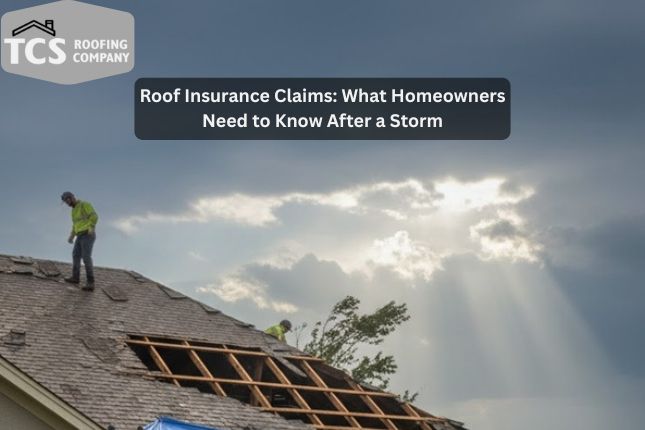
    Roof Insurance Claims: What Homeowners Need to Know After a Storm

    After a storm with hail, roof damage can be significant, and understanding how to navigate insurance claims is crucial for homeowners. The Storm and hail roof damage is a common concern after severe weather, and knowing the key steps to take can help ensure you get the coverage you deserve while protecting your home.

    Understanding Storm & Hail Roof Damage

    Storms, especially hailstorms, can cause a range of roof damage—from minor dents in shingles to major structural issues that compromise your home’s integrity. Hailstones can impact roofs with remarkable force, leaving visible dents, cracks, or missing shingles, which can lead to leaks and further deterioration if not addressed promptly. Accurate damage assessment is essential, as insurers typically differentiate between cosmetic and functional damage, with coverage usually focused on damage affecting the roof’s ability to protect your home.​

    Key Types of Damage from Storm & Hail

    Dented or cracked shingles

    Missing or loose shingles

    Dented gutters or vents

    Leaks or water stains inside the house

    Structural damage to the roof deck​

    Timely inspection and documentation following a storm are vital in making insurance claims successful and preventing further damage.

    What Homeowners Need to Know About Insurance Coverage

    Most homeowners’ insurance policies include coverage for storm and hail damage, but there are important details to understand:

    Coverage Scope: Typically includes damage caused by wind, hail, and falling debris. However, policies can vary, so it’s essential to review your specific plan.​

    Documentation: Photos, videos, and detailed written logs of the damage and storm date are crucial for claim validation.​

    Claim Process: Involves immediate reporting, inspection by a claims adjuster, and coordination with roofing professionals for assessments.​

    Potential Exclusions: Wear and tear or pre-existing damage may not be covered, and some policies exclude cosmetic damage not affecting functionality.​

    Understanding these details helps homeowners avoid surprises and prepares them for the claims process.

    How to File a Roof Insurance Claim Effectively

    The process begins with thorough documentation of damage, followed by prompt contact with your insurer:

    Document Damage: Take high-quality photos and videos of all visible signs of damage from different angles. Include interior damage if water leaks are evident.​

    Schedule an Inspection: Contact your insurance provider to report the damage and request an adjuster inspection. It’s recommended to have a professional roofer present to provide expert opinion and ensure no damage is overlooked.​

    Review Your Policy: Understand what damages are covered, including deductibles, and assess whether the claim is worth pursuing based on repair costs.

    File the Claim Promptly: Most policies have deadlines for filing after a storm event. Provide all documentation and cooperate during the review process.​

    Working with Claims Adjusters

    Adjusters evaluate the damage and determine the payout, so homeowner cooperation is vital:

    Be present during the inspection if possible.

    Provide copies of photos, videos, and logs.

    Ask questions about the scope of damage and coverage.

    If disagreements arise, consider hiring a public adjuster or legal professional to advocate for fair compensation.​

    Maximizing Insurance Payouts

    To ensure optimal outcomes:

    Keep detailed records and documentation.

    Request written assessments and estimates.

    Don’t accept lowball offers; negotiate or seek independent evaluations if necessary.

    Understand your policy’s limits, deductibles, and depreciation impacts—especially if you have an Actual Cash Value (ACV) policy.​

    Read more: Emergency Roof Leak Repair

    Final Tips for Homeowners

    Regularly inspect your roof after storms, especially if you notice odd noises or leaks.

    Work only with licensed, reputable roofing contractors experienced in storm damage repair.

    Stay aware of policy exclusions and ensure your coverage aligns with storm risk in your region.

    In conclusion, storm & hail roof damage presents a significant challenge for homeowners, but with proper knowledge, prompt action, and professional support, claims can be managed efficiently. Always document damage immediately, communicate clearly with your insurance provider, and work with trusted roofing professionals to maximize your coverage and restore your home swiftly. Staying prepared and informed is the best defense against the unpredictability of severe weather events.

  • The Environmental Benefits of Installing an Energy-Efficient Roof

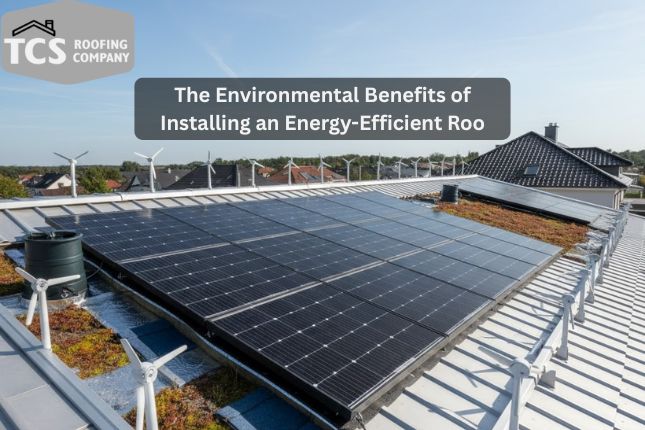
    The Environmental Benefits of Installing an Energy-Efficient Roof

    As the world increasingly embraces sustainable living, making eco-friendly choices for our homes is more important than ever. One impactful decision homeowners can make is installing an energy-efficient roof. These roofs not only reduce your energy bills but also provide significant environmental benefits that contribute to a healthier planet. This blog explores the many ways energy efficient roofing supports environmental sustainability and why it’s a smart investment for both the Earth and your home.

    What Is an Energy-Efficient Roof?

    An energy-efficient roof is designed with materials and technologies that minimize heat transfer, reflect sunlight, and improve insulation. Unlike conventional roofs that absorb heat, energy-efficient roofs reflect a large portion of solar radiation and cool down more quickly. This reduces indoor temperatures during hot seasons and helps conserve energy for cooling your home. Common examples include cool roofs with reflective coatings, metal roofs with high emissivity, and green roofs covered with vegetation.

    Reduced Energy Consumption and Lower Emissions

    One of the most immediate environmental benefits of energy-efficient roofing is the significant reduction in energy consumption for heating and cooling. By reflecting more sunlight and absorbing less heat, these roofs lessen the burden on air conditioning systems during the summer months. This lowered demand translates into fewer greenhouse gas emissions from power plants that generate electricity, contributing to climate change mitigation.

    Energy-efficient roofs can reduce energy bills by up to 25%, saving homeowners considerable money annually. More importantly, this reduced energy use means a considerable decrease in carbon footprint. Fewer emissions not only slow global warming but also reduce air pollutants linked to respiratory illnesses.

    Mitigating the Urban Heat Island Effect

    Urban areas often suffer from the “urban heat island” (UHI) effect, where buildings, roads, and other surfaces absorb and retain heat, making cities warmer than surrounding rural areas. Traditional dark roofing materials absorb heat and exacerbate this problem.

    Energy-efficient roofs, especially cool roofs, combat the UHI effect by reflecting sunlight and reducing surface temperatures. This cooling effect extends beyond the individual building, helping to lower neighborhood temperatures, improve air quality, and decrease energy demand on a city-wide scale. Green roofs also help by introducing vegetation that cools via evapotranspiration and provides shade.

    Sustainable and Recyclable Materials

    Many energy-efficient roofing systems incorporate sustainable materials that require fewer natural resources to produce. Some materials are recyclable at the end of their lifecycle, reducing landfill waste. Green roofs, for example, use vegetation that can absorb rainwater, reduce stormwater runoff, and provide habitats for urban wildlife, enhancing biodiversity within the city.

    By choosing roofing materials made from recycled or renewable resources, homeowners contribute to a circular economy and reduce environmental degradation caused by mining and manufacturing.

    Enhanced Indoor Comfort and Health

    Energy-efficient roofs maintain more stable indoor temperatures by minimizing heat transfer. This enhanced insulation reduces heat gain in summer and heat loss in winter, creating a comfortable living environment year-round without excessive use of HVAC systems.

    Stable indoor temperatures help reduce the risk of heat-related illnesses and improve overall health. Additionally, these roofs reduce the likelihood of mold and mildew growth by keeping indoor humidity levels more balanced, further supporting a healthier indoor atmosphere.

    Longevity and Waste Reduction

    Energy-efficient roofing materials tend to have longer lifespans because they resist damage caused by extreme heat and weather fluctuations. This durability means fewer repairs and replacements over time, reducing the environmental impact associated with manufacturing, transporting, and installing roofing materials repeatedly.

    A longer-lasting roof also means less roofing debris ends up in landfills, helping to reduce construction and demolition waste.

    Supporting Water Conservation

    Certain types of energy-efficient roofs, specifically green roofs, contribute to water conservation by absorbing rainwater and filtering pollutants. This reduces stormwater runoff, which can overwhelm urban drainage systems and pollute nearby water bodies.

    By managing rainwater naturally, these roofs help protect local waterways and reduce the risk of urban flooding, supporting healthier ecosystems and reducing the need for expensive drainage infrastructure.

    Read more: Emergency Roof Leak Repair | Why Roof Inspections using Drone

    Conclusion: A Smart Choice for the Planet and Your Home

    Installing an energy-efficient roof is much more than just an upgrade to your home—it’s a commitment to environmental stewardship. From lowering energy consumption and reducing greenhouse gas emissions to mitigating urban heat islands and conserving water, the environmental benefits are compelling.

    Moreover, these roofs enhance indoor comfort, promote healthier living spaces, and offer long-term savings through durability and energy efficiency. As global attention turns to sustainable living, energy-efficient roofing stands out as a practical, impactful solution that benefits homeowners and the planet alike.

    Making the shift to an energy-efficient roof is a cost-effective way to reduce environmental impact while enhancing your quality of life. It’s an investment that pays dividends today and for generations to come.

  • Metal Roof vs Shingle Roof: Pros, Cons & Which Is Right for You

    Metal Roof vs Shingle Roof: Pros, Cons & Which Is Right for You

    Choosing the right roof is one of the most important decisions for any homeowner. Your roof affects your home’s style, durability, energy efficiency, and value. Two popular choices dominate the market — metal and asphalt shingles roofing. Both have strengths and weaknesses, and the right one depends on your climate, budget, and priorities.

    Let’s dive into a clear comparison of metal roofs and shingle roofs to help you decide which is the better fit for your home.

    What Is a Metal Roof?

    A metal roof is made from materials like aluminum, steel, zinc, or copper. Metal roofing can come in panels, shingles, or standing seam designs. It’s strong, sleek, and made to last for decades. Many homeowners love the modern look and long-term performance.

    What Is a Shingle Roof?

    A shingle roof, usually made from asphalt, is the most common roofing type in North America. Shingles come in many colors and textures, offering a classic look. They’re easier to install and less expensive upfront than metal roofing.

    Pros of Metal Roofs

    Durability: Metal roofs can last 40 to 70 years with proper maintenance. They resist cracks, rot, and insect damage.

    Weather Resistance: Metal handles heavy rain, snow, and high winds well. It also resists fire, making it safer in wildfire-prone areas.

    Energy Efficiency: Metal reflects sunlight, keeping homes cooler in summer. This can lower energy bills by 10–25%.

    Eco-Friendly: Most metal roofs contain recycled content and are fully recyclable at the end of their life.

    Low Maintenance: You’ll rarely need to replace or repair panels. Occasional cleaning and inspection are enough.

    Modern Appeal: Metal roofing fits both contemporary and rustic designs, offering flexible style options.

    Cons of Metal Roofs

    Upfront Cost: Metal roofing can cost two to three times more than asphalt shingles.

    Noise: Heavy rain or hail can sound louder on a metal roof unless it’s well insulated.

    Expansion and Contraction: Metal expands and contracts with temperature changes, which can stress fasteners over time.

    Denting Potential: Although strong, some metal materials (like aluminum) can dent under large hail or falling branches.

    Pros of Shingle Roofs

    Affordability: Asphalt shingles are cheaper to buy and install, making them ideal for budget-conscious homeowners.

    Variety: Available in many colors and styles, shingles make it easy to match your home’s aesthetic.

    Easy Installation: Shingles are quick to install, reducing labor time and costs.

    Simple Repairs: If a shingle gets damaged, you can replace just that section.

    Wide Availability: Most roofing contractors are skilled in installing shingles, so finding help is easy.

    Cons of Shingle Roofs

    Shorter Lifespan: Shingles last around 15 to 30 years, much less than metal roofs.

    Weather Damage: They can crack, warp, or lose granules in extreme weather.

    Heavier Maintenance: Shingle roofs require regular inspection and repair to prevent leaks.

    Less Energy Efficient: Asphalt absorbs heat, which can increase cooling costs.

    Environmental Impact: Shingles are typically petroleum-based and not easily recyclable.

    Cost Comparison

    Initial price often plays a big role in roofing decisions.

    Metal Roof Cost: On average, metal roofs range between $8 to $14 per square foot installed. High-end materials like copper can cost more.

    Shingle Roof Cost: Asphalt shingles typically cost between $4 to $7 per square foot installed.

    While shingles are cheaper upfront, a metal roof’s long lifespan can balance the cost over time. You may replace a shingle roof two or three times in the life of one metal roof.

    Maintenance and Longevity

    If you want a roof that lasts decades with minimal work, metal is the winner.

    Metal roofs need occasional rinsing and an inspection every couple of years.

    Shingle roofs require more frequent maintenance—checking for loose shingles, moss, or leaks after storms.

    For long-term homeowners, lower maintenance and longevity often make metal more cost-effective.

    Energy Efficiency and Sustainability: Metal vs Shingle

    Metal roofs excel in energy performance. The reflective surface keeps homes cooler, reducing air conditioning use. Some metal roofs even have special coatings that increase reflectivity. Shingles, however, trap more heat, especially in sunny regions.

    For eco-conscious homeowners, metal is the greener option. It’s recyclable and often produced from recycled materials, whereas old asphalt shingles usually end up in landfills.

    Aesthetic and Home Value

    Both roofing types enhance a home’s look when done right.

    Metal roofs deliver a modern, high-end appearance. They’re available in panels, tiles, and shingles, with finishes that mimic wood or slate.

    Shingle roofs maintain a traditional charm that fits suburban neighborhoods.

    In terms of resale value, homes with metal roofs often attract buyers seeking durability and lower maintenance. Many real estate experts say metal roofs can boost home value by 2–6%.

    Read more: Emergency Roof Leak Repair | Roofing Services Provider in Tennessee US

    Which Roof Is Right for You?

    Choose a Metal Roof if:

    Plan to stay in your home for decades.

    You live in an area with harsh weather or frequent storms.

    You value long-term savings and sustainability.

    Choose a Shingle Roof if:

    Tighter budget.

    You prefer a classic look that fits your neighborhood.

    You want a roof that’s easy to install and repair.

    Final Thoughts

    Both metal and shingle roofs protect your home well, but they serve different needs. If you want long-lasting performance, energy savings, and a modern touch, a metal roof is a smart investment. If you prefer affordability and simple installation, asphalt shingles are a dependable choice.

    In the end, the best roof is the one that fits your home, climate, and lifestyle — while giving you peace of mind for years to come.

  • Signs You Need Roof Repair — Don’t Wait Until It’s Too Late

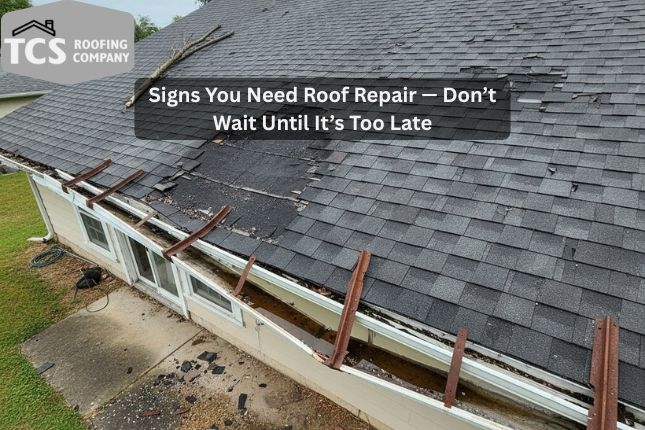
    Signs You Need Roof Repair — Don’t Wait Until It’s Too Late

    Your roof is your home’s first line of defense against harsh weather and environmental elements. But like any part of your home, it doesn’t last forever. Ignoring early warning signs of roof damage can lead to costly repairs—or even a full roof replacement.

    In this blog, we’ll break down the most common signs that your roof needs repair and explain why addressing these issues promptly can save you time, money, and stress.

    1. Visible Leaks or Water Stains

    One of the most obvious signs that your roof needs repair is water leaking into your home. You might notice:

    Water stains on your ceiling or walls

    Dripping water during or after rain

    Damp or musty odors in your attic

    These symptoms usually point to a compromised section of your roof. Even small leaks can quickly worsen, leading to mold growth, structural damage, and insulation problems.

    Don’t wait: Even a tiny leak can indicate a bigger issue hidden under the shingles.

    2. Missing, Cracked, or Curling Shingles

    Shingles play a key role in protecting your roof from water and weather damage. If you spot:

    Shingles that are missing or blown off

    Cracked or broken shingles

    Shingles that curl at the edges

    …it’s time to schedule a roof inspection. Damaged shingles expose the underlayment of your roof, making it vulnerable to leaks and decay.

    3. Granules in the Gutters

    Asphalt shingles naturally shed granules over time. However, if you start seeing excessive granule buildup in your gutters or downspouts, it’s a warning sign that your shingles are deteriorating.

    Granules protect shingles from UV rays. When they wear off, your roof becomes more susceptible to sun damage and aging.

    4. Sagging Rooflines

    A sagging or uneven roofline is a serious red flag. It can indicate:

    Water damage in the decking or support beams

    Structural problems

    Excessive weight from moisture buildup or poor drainage

    Tip: Stand across the street and look at your roofline. It should appear straight and even. If there’s a dip or curve, contact a professional roofer immediately.

    5. Moss or Algae Growth

    While moss or dark streaks on your roof might seem harmless or just cosmetic, they can actually indicate moisture retention—a problem that can shorten your roof’s lifespan.

    Moss holds moisture against your shingles, which can cause them to lift and rot over time. If not cleaned and treated, it could eventually lead to leaks.

    6. Increased Energy Bills

    Have you noticed a spike in your heating or cooling bills? A poorly functioning roof could be the culprit. Gaps, leaks, or damaged insulation can allow air to escape, forcing your HVAC system to work harder.

    Repairing your roof can help restore energy efficiency and reduce your utility costs.

    7. Your Roof Is 15–20+ Years Old

    Even if you don’t notice any visible damage, age alone is a major factor. Most asphalt shingle roofs last around 20 years. If your roof is nearing—or has passed—that mark, it’s wise to schedule an inspection.

    Preventive repairs can extend your roof’s life and help you avoid emergency fixes later.

    Why Timely Roof Repair Matters

    Delaying roof repairs often leads to:

    More expensive fixes due to worsening damage

    Structural issues from prolonged water exposure

    Mold and mildew growth, which can affect your health

    Reduced property value or failed home inspections

    Addressing roof issues early keeps your home safe and preserves its long-term value.

    Watch now: Emergency Roof Leak Repair

    Final Thoughts

    Your roof is a major investment—protect it by watching for the early warning signs. If you’ve noticed any of the issues mentioned above, don’t wait. Contact a licensed roofing contractor for a professional inspection and timely repairs.

    Need expert roof repair?

    At TCS Roofing Company, a leading Roofing Contractor in Tennessee we specialize in fast, reliable roof inspections and repairs. Whether it’s a leak, shingle damage, or storm-related issues, our experienced team is here to help.

    Call us today or request a free roof inspection online!

  • Know Top 8 Questions to Ask When Getting Roof Estimates

    Know Top 8 Questions to Ask When Getting Roof Estimates

    When it comes to protecting your home, your roof is one of the most critical components. Whether you’re dealing with storm damage, an aging roof, or simply planning ahead, choosing the right roofing contractor can make all the difference. A well-informed homeowner doesn’t just look at price; they ask the right questions before signing a contract.

    Explore Top 8 essential questions to ask when getting roof estimates

    1. Are You Licensed and Insured?

    Always begin with the basics. It’s important to know if the contractor holds the proper licenses and certifications required in your state or region. Equally important is insurance—specifically liability and workers’ compensation coverage. This protects you from being held responsible in the event of an accident on your property. A reputable roofer will be happy to provide proof.

    2. What Experience Do You Have with My Type of Roof?

    Not every roof is the same. Asphalt shingles, metal, tile, or flat roofing systems all require different levels of expertise. Asking about their experience with your specific roof type ensures they know the best practices and potential challenges involved. Specialized knowledge can lead to fewer mistakes and a better-quality finish.

    3. Can You Provide References or Examples of Past Work?

    Any reliable roofing contractor should have a portfolio of past projects or satisfied customers you can speak to. References allow you to verify their quality of work and professionalism. Even better, ask if you can drive by a recently completed job to see the results firsthand.

    4. What Exactly Does the Estimate Include?

    A strong estimate is detailed, not vague. Ask what’s covered in the quote: materials, labor, disposal of old roofing, permits, cleanup, and warranties. An unclear or overly simple one-line estimate can be a red flag and often leads to “surprise charges” later. Transparency at this stage can save you money and frustration.

    5. What Warranties Do You Offer?

    Roofing is a major investment, so it’s essential to know what kind of protection you’ll have in case something goes wrong. Ask about both material warranties (usually offered by the manufacturer of shingles or roofing products) and workmanship warranties (offered by the contractor for their labor). A strong warranty can add value and peace of mind.

    6. How Will You Protect My Property During the Job?

    Roof replacement can get messy. There will be debris, old shingles, nails, and heavy equipment. A professional roofer should explain how they’ll protect your landscaping, siding, and windows. Ask about their cleanup process, including whether they use magnetic nail sweepers to prevent hazards in your yard.

    7. What Is the Project Timeline?

    Roof work disrupts your home life, so knowing the schedule is important. Ask when they can start, how long it will take, and whether weather delays might affect the timeline. A clear plan helps you prepare in advance and avoid prolonged inconvenience.

    8. What Payment Terms Do You Require?

    Be cautious of contractors who demand full payment upfront. Industry standard usually involves a deposit, followed by staged payments as the work progresses. Understanding the payment schedule ensures you stay on budget and only pay when work is completed as promised.

    Final Thoughts

    Choosing the right roofer requires more than just comparing prices. By asking these eight essential questions, you’ll gain insight into a contractor’s professionalism, reliability, and quality of service. Remember, your roof is an investment that protects your entire home, so taking the time to vet your options carefully is well worth it.

    A trustworthy roofer won’t shy away from answering your questions—they’ll welcome them. Being prepared ensures you get not only a fair estimate but also a durable, high-quality roof that will stand the test of time.

  • Why Should You Hire a Certified Roofing Contractor?

    Why Should You Hire a Certified Roofing Contractor?

    When it comes to roofing projects—whether it’s a repair, replacement, or new installation—choosing the right roofing contractor is crucial. Your roof is one of the most important parts of your home or business, protecting you from the elements and contributing to your property’s overall value. This is why hiring a certified roofing contractor is essential. In this blog, we’ll explore the key reasons why a certified roofing contractor is your best choice and how it benefits you in the long run.

    Expertise and Professional Knowledge

    Certified roofing contractors have undergone rigorous training and certification processes that validate their skills and knowledge. This certification typically requires passing exams, completing continuing education, and adhering to industry standards. Their expertise means they understand the complexities of roofing systems, materials, and installation techniques better than uncertified or inexperienced contractors.

    By hiring a certified roofing contractor, you are ensuring that your roofing project is completed with the highest standards of workmanship. Certified professionals know how to handle unexpected issues that arise during roofing projects, reducing the risk of mistakes that could lead to costly repairs.

    Quality Materials and Workmanship

    A certified roofing contractor usually has access to high-quality roofing materials from trusted manufacturers. Many manufacturers only guarantee their products if a certified installer does the job, so certification can be a direct link to better product warranties.

    Moreover, certification often requires contractors to stay updated on the latest roofing technologies, materials, and best practices. This means you get roofing solutions that are not only reliable but also energy-efficient and durable—giving you peace of mind for years to come.

    Compliance with Safety and Building Codes

    Roofing is a hazardous job that requires strict adherence to safety precautions and building codes. Certified roofing contractors are trained in safety protocols to protect both workers and occupants of the property. They are familiar with local and national building regulations, ensuring your roof meets all legal standards.

    Compliance with these codes is crucial for insurance purposes and future resale value of your property. Hiring an uncertified contractor may put you at risk of fines or having to redo work that doesn’t meet building guidelines.

    Insurance and Liability Protection

    Certified roofing contractors carry the necessary insurance coverage, such as general liability and workers’ compensation. This protects you financially if there is an accident on your property during the job or if damage occurs to your home or neighboring properties.

    If you hire someone without proper insurance, you may be held liable for injuries or damages, which can become expensive and legally troublesome. A certified contractor safeguards your investment by ensuring all insurance is in place.

    Enhanced Warranty and After-Sales Service

    Many certified roofing contractors back their work with extended warranties, often offering better coverage than non-certified peers. These warranties cover workmanship issues and sometimes the materials used, ensuring that if something goes wrong, you have recourse for repairs without additional costs.

    Additionally, certified contractors often provide reliable after-sales services such as maintenance programs and inspections, which prolong the life of your roof and keep it functioning optimally.

    Increased Property Value and Curb Appeal

    A well-installed, high-quality roof significantly improves the aesthetic appeal and market value of your home or commercial building. Potential buyers or tenants are reassured knowing a certified professional handled the roofing, which can translate into a higher resale price and quicker sales.

    Choose TCS Roofing Company for Certified Excellence

    When you decide to invest in a roofing project, don’t settle for anything less than the best. At TCS Roofing Company, we are proud to be certified roofing professionals dedicated to delivering unparalleled quality and service. Our team stays current with industry standards and uses only premium materials to ensure your roof is durable, safe, and visually stunning.

    We understand the importance of your roof’s integrity in protecting your home or business, and we are committed to providing expert craftsmanship with full insurance coverage for your peace of mind. Whether you need repairs, replacements, or a completely new roof installation, trust TCS Roofing Company to get the job done right the first time.

    Contact us today for a free consultation and experience the confidence that comes from working with certified roofing experts. Protect your investment with TCS Roofing Company—where quality meets reliability.

    Read more: Roofing Services Provider in Tennessee US

    Conclusion

    Hiring a certified roofing contractor is not just a smart choice—it’s an essential one. From professional expertise and high-quality workmanship to safety compliance and insurance protection, certification ensures your roofing project is handled with care and precision. Choosing certified professionals, such as the team at TCS Roofing Company, gives you peace of mind, long-lasting results, and a roof that truly protects your most valuable asset.

    Don’t leave your roof in the hands of just anyone—choose certification, choose quality, choose TCS Roofing Company.