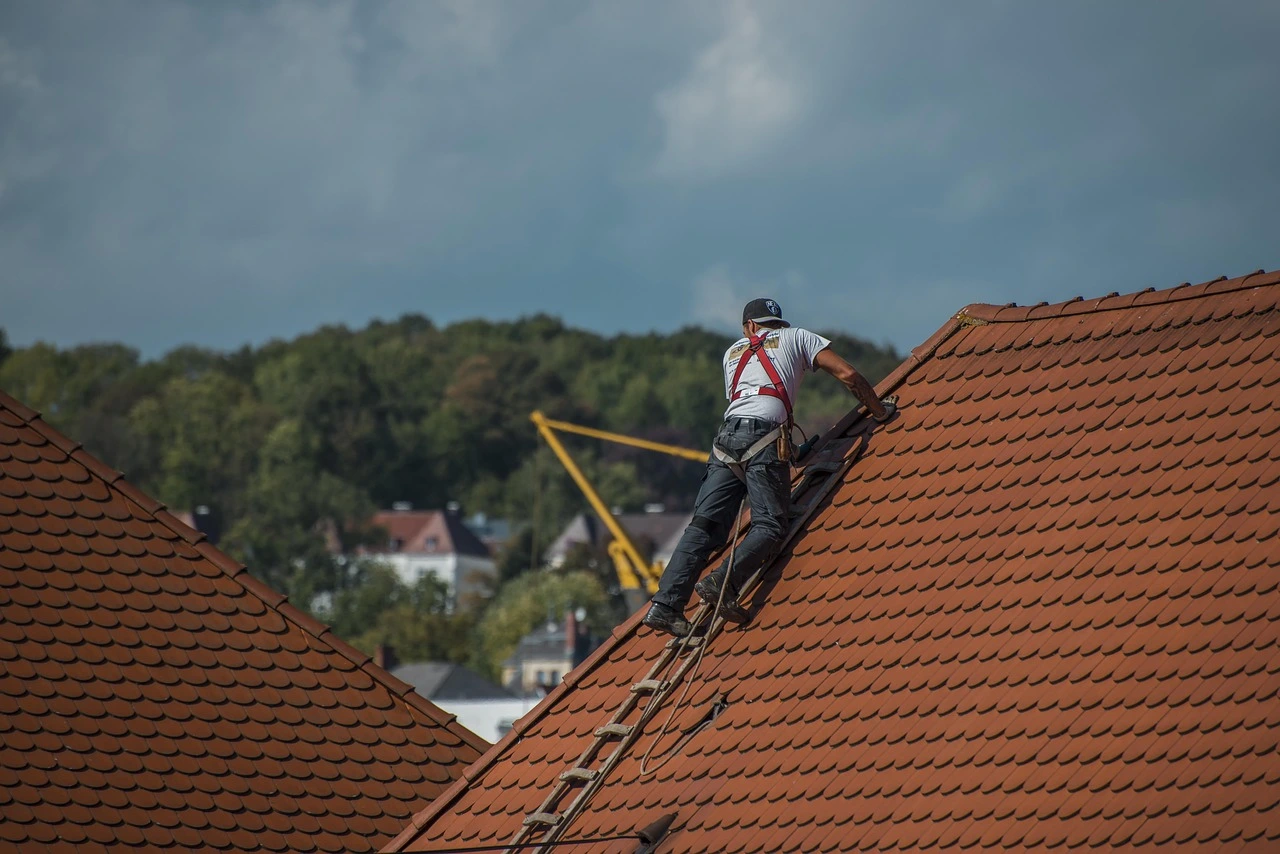
Roof pitch measures a roof’s steepness, crucial for material selection, construction, and maintenance. Learning to determine it empowers homeowners and DIYers to assess repairs or upgrades accurately.
What Is Roof Pitch?
Roof pitch describes the vertical rise of a roof over a horizontal run, typically expressed as a ratio like 6:12, meaning 6 inches of rise per 12 inches of run. This slant affects water runoff, snow shedding, and aesthetics—steeper pitches (over 9:12) suit snowy areas, while low pitches (under 4:12) work in dry climates. Expressed alternatively in degrees or percentages, pitch guides shingle types and truss design; for instance, US homes average 20°-30°.
Why Measure Roof Pitch?
Accurate pitch calculation ensures proper roofing materials, as low-slope roofs need underlayment to prevent leaks, unlike steep ones. It informs replacement costs—steeper roofs demand more labor—and complies with building codes varying by region. Homeowners use it for solar panel efficiency or insurance quotes, while builders balance pitch for style and practicality, targeting 4:12 to 6:12 as ideal.
Tools You’ll Need
Gather a 12-inch level, tape measure, ladder with safety gear, and optionally a framing square or smartphone app like “Pitch Gauge.” For attic access, add a notepad and flashlight. These basics suffice for most homes; pros might use laser levels for precision on large roofs.
Method 1: From the Roof Surface
Climb safely to the roof using a sturdy ladder and harness. Place the level horizontally on the roof, ensuring it’s plumb.
Hold the level flat against the roofing material. Measure vertically from the roof to the level’s 12-inch mark—this distance is your rise. A 5-inch rise yields a 5:12 pitch. Note: Account for slippery surfaces or snow by measuring multiple spots and averaging.
| Pitch Notation | Rise (inches per 12″ run) | Angle (degrees) | Best Uses |
| 03:12 | 3 | ~14° | Low-slope, modern homes |
| 06:12 | 6 | ~27° | Standard residential |
| 09:12 | 9 | ~37° | Snow-prone areas |
| 12:12 | 12 | ~45° | Steep, traditional styles |
Method 2: From the Attic
Access the attic for a safer, ground-level option without roof climbing. Locate a rafter and measure from its bottom edge upward to the roof sheathing—this is total rise.
Measure the rafter’s horizontal length (run), typically half the building’s width from ridge to wall. Divide rise by run for the pitch ratio; for example, 8 feet rise over 16 feet run equals 6:12 after converting to inches (812 / 1612). Verify with a framing square: Align the 12-inch body mark horizontally and read rise on the tongue.
Advanced Calculation: Degrees and Percent
For degrees, use rise/run as tangent: Roof angle = arctan(rise ÷ run) * (180/π). A 6:12 pitch (0.5 tangent) is about 27°—input into a calculator or app. Percentage pitch is (rise/run)*100; a 6:12 equals 50% slope. Online tools like Omni Calculator automate this, inputting rise and run for instant results.
Using a Framing Square
Mark pitch on a framing square for rafter cuts. For 6:12, note 6 inches on the tongue (vertical) and 12 on the body (horizontal). Slide the square along the rafter until lines meet evenly—this confirms pitch and aids precise cuts. Ideal for new builds or repairs.
Apps and Digital Tools
Smartphone apps simplify measurement: Level the phone on the roof for instant digital readouts, or use AR tools for remote estimates. RoofSnap’s calculator inputs dimensions for pitch, area, and material needs. Free options abound, but calibrate against manual methods for accuracy.
Read more: Top ten Roofing Company in Franklin | Benefits of Drone Roof Inspection
Common Mistakes to Avoid Roof Pitch Measurements
Measure on a clear day to dodge ice or wet surfaces skewing levels. Ignore eaves or fascia—focus on the roof plane itself. Averages hide hips or valleys; measure each plane separately for complex roofs. Double-check math: Misdividing rise by run leads to costly material errors.
Pitch and Regional Factors
In Tennessee, US, with its humid subtropical climate featuring hot summers, occasional snow, storms, and heavy rain, pitches around 20°-30° (4:12 to 6:12) are standard for residential roofs to ensure good drainage and heat dissipation without excessive height. Steeper pitches (7:12+) suit eastern mountainous areas like the Smokies for snow shedding; moderate slopes work well in Nashville’s urban heat or Chattanooga’s valleys. Codes, based on IRC, mandate minimums like 2:12 for asphalt shingles (with double underlayment up to 4:12) to prevent leaks, prioritizing ventilation against extreme temps up to 100°F+.
Determining roof pitch demystifies home upkeep. Whether eyeing shingles or repairs, these steps deliver pro-level insights safely. Practice on sheds first for confidence.