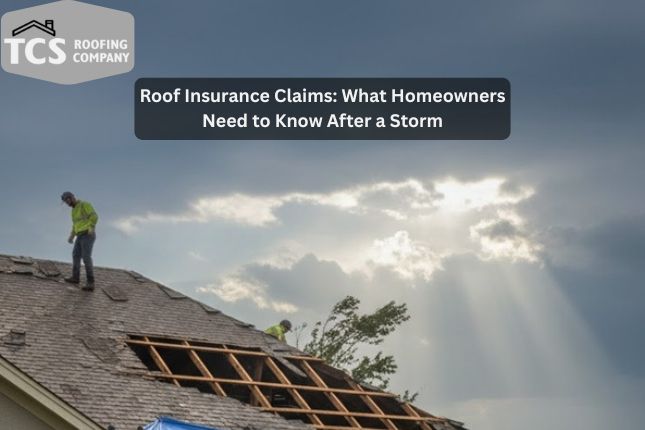
After a storm with hail, roof damage can be significant, and understanding how to navigate insurance claims is crucial for homeowners. The Storm and hail roof damage is a common concern after severe weather, and knowing the key steps to take can help ensure you get the coverage you deserve while protecting your home.
Understanding Storm & Hail Roof Damage
Storms, especially hailstorms, can cause a range of roof damage—from minor dents in shingles to major structural issues that compromise your home’s integrity. Hailstones can impact roofs with remarkable force, leaving visible dents, cracks, or missing shingles, which can lead to leaks and further deterioration if not addressed promptly. Accurate damage assessment is essential, as insurers typically differentiate between cosmetic and functional damage, with coverage usually focused on damage affecting the roof’s ability to protect your home.
Key Types of Damage from Storm & Hail
Dented or cracked shingles
Missing or loose shingles
Dented gutters or vents
Leaks or water stains inside the house
Structural damage to the roof deck
Timely inspection and documentation following a storm are vital in making insurance claims successful and preventing further damage.
What Homeowners Need to Know About Insurance Coverage
Most homeowners’ insurance policies include coverage for storm and hail damage, but there are important details to understand:
Coverage Scope: Typically includes damage caused by wind, hail, and falling debris. However, policies can vary, so it’s essential to review your specific plan.
Documentation: Photos, videos, and detailed written logs of the damage and storm date are crucial for claim validation.
Claim Process: Involves immediate reporting, inspection by a claims adjuster, and coordination with roofing professionals for assessments.
Potential Exclusions: Wear and tear or pre-existing damage may not be covered, and some policies exclude cosmetic damage not affecting functionality.
Understanding these details helps homeowners avoid surprises and prepares them for the claims process.
How to File a Roof Insurance Claim Effectively
The process begins with thorough documentation of damage, followed by prompt contact with your insurer:
Document Damage: Take high-quality photos and videos of all visible signs of damage from different angles. Include interior damage if water leaks are evident.
Schedule an Inspection: Contact your insurance provider to report the damage and request an adjuster inspection. It’s recommended to have a professional roofer present to provide expert opinion and ensure no damage is overlooked.
Review Your Policy: Understand what damages are covered, including deductibles, and assess whether the claim is worth pursuing based on repair costs.
File the Claim Promptly: Most policies have deadlines for filing after a storm event. Provide all documentation and cooperate during the review process.
Working with Claims Adjusters
Adjusters evaluate the damage and determine the payout, so homeowner cooperation is vital:
Be present during the inspection if possible.
Provide copies of photos, videos, and logs.
Ask questions about the scope of damage and coverage.
If disagreements arise, consider hiring a public adjuster or legal professional to advocate for fair compensation.
Maximizing Insurance Payouts
To ensure optimal outcomes:
Keep detailed records and documentation.
Request written assessments and estimates.
Don’t accept lowball offers; negotiate or seek independent evaluations if necessary.
Understand your policy’s limits, deductibles, and depreciation impacts—especially if you have an Actual Cash Value (ACV) policy.
Read more: Emergency Roof Leak Repair
Final Tips for Homeowners
Regularly inspect your roof after storms, especially if you notice odd noises or leaks.
Work only with licensed, reputable roofing contractors experienced in storm damage repair.
Stay aware of policy exclusions and ensure your coverage aligns with storm risk in your region.
In conclusion, storm & hail roof damage presents a significant challenge for homeowners, but with proper knowledge, prompt action, and professional support, claims can be managed efficiently. Always document damage immediately, communicate clearly with your insurance provider, and work with trusted roofing professionals to maximize your coverage and restore your home swiftly. Staying prepared and informed is the best defense against the unpredictability of severe weather events.