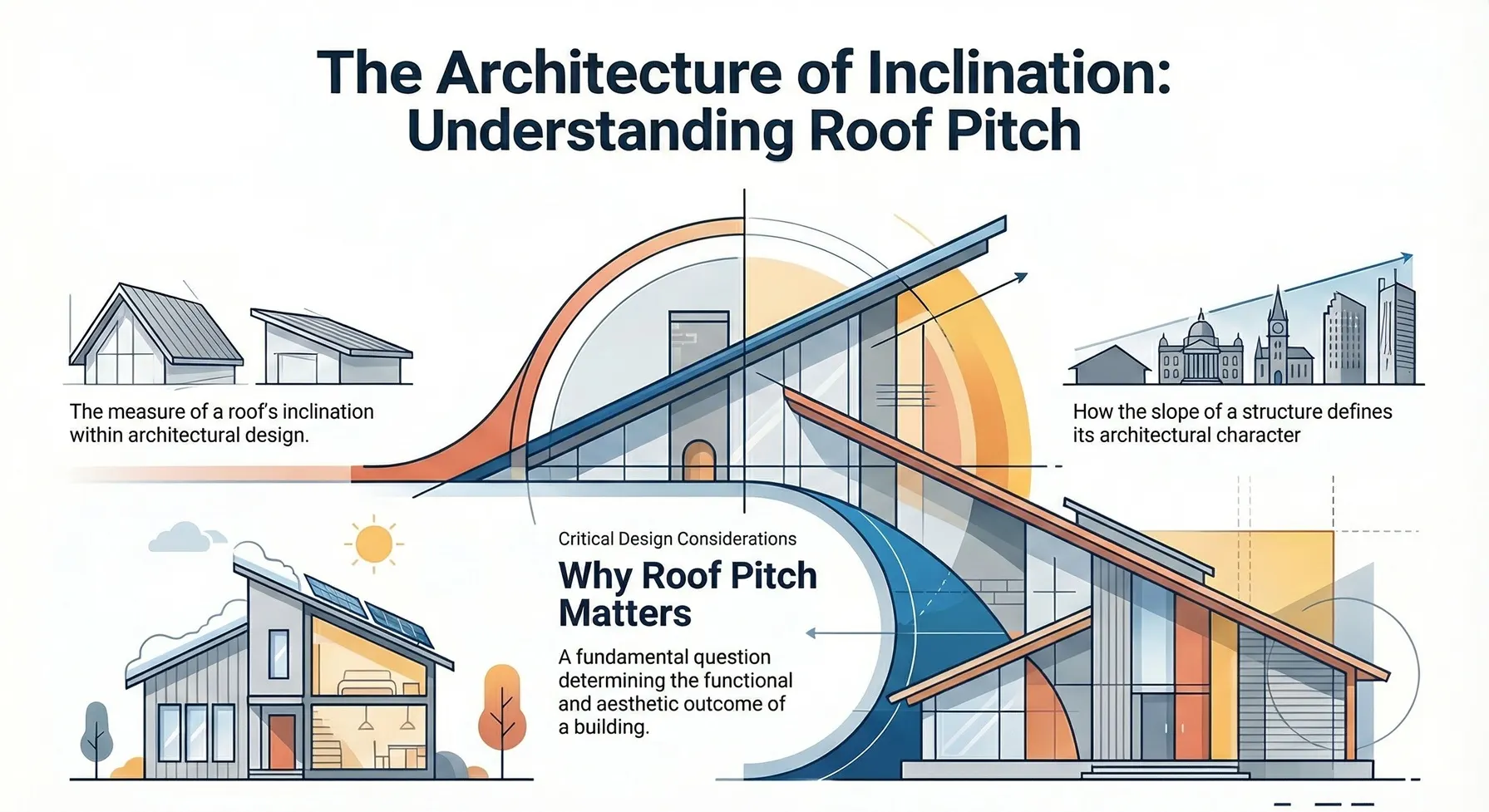
Roof pitch, the steepness or slope of a roof, plays a vital role in a home’s functionality, durability, and efficiency. Understanding why it matters helps homeowners and builders make informed choices for long-term performance.
What Is Roof Pitch?
Roof pitch measures the vertical rise over a horizontal run, typically expressed as a ratio like 4:12 (4 inches rise per 12 inches run). Steeper pitches, such as 12:12, create a sharp angle, while low-slope roofs might be 2:12 or flatter.
This slope isn’t just aesthetic; it dictates how the roof interacts with weather, materials, and structure. Builders calculate it during design to match local climate and building codes.
Drainage and Water Management
Proper drainage is the primary reason roof pitch matters. A steeper pitch allows rainwater and melting snow to flow off quickly, preventing pooling that leads to leaks, rot, and mold.
In heavy-rain areaslow pitches (under 3:12) risk water accumulation, shortening roof life. Steep roofs shed water 2-3 times faster, reducing underlayment strain and extending material durability.
Snowy regions mandate minimum pitches (often 4:12+) to avoid collapse from buildup. Flat roofs need extra drainage systems like scuppers, adding cost and maintenance.
Structural Integrity and Load
Pitch affects how roofs handle weight from snow, wind, or debris. Steeper designs distribute loads better, using trusses that prevent sagging under heavy precipitation.
Low-slope roofs bear more constant pressure from pooled water or snow, requiring reinforced decking. In windy zones, moderate pitches (4:12 to 6:12) resist uplift better than very steep ones, where gales hit directly.
Building codes in snowy U.S. states or northern Europe enforce pitches to ensure safety, avoiding tragedies like roof collapses reported in extreme weather.
Material Compatibility
Not all roofing materials suit every pitch. Asphalt shingles need at least 2:12 (ideally 4:12+) for water to shed without seeping under edges.
Steep roofs support slate, tile, or metal, which rely on gravity and weight for security. Low-slope roofs demand single-ply membranes or TPO, which seal seams better but cost more in installation labor.
Choosing mismatched materials leads to premature failure; for instance, tiles slip on slopes under 4:12 without special underlayment.
| Pitch Range | Suitable Materials | Key Considerations |
| 0:12 – 2:12 (Flat/Low) | EPDM, TPO, Modified bitumen | Needs drains; ice dam risk high |
| 2:12 – 4:12 (Low) | Asphalt shingles (with sealant), Metal | Starter strips required; slower drainage |
| 4:12 – 9:12 (Medium) | Asphalt, Wood shakes, Metal | Versatile; best balance for most homes |
| 9:12+ (Steep) | Tile, Slate, Cedar | Excellent runoff; requires safety gear for work |
Energy Efficiency and Insulation
Pitch influences ventilation and insulation space. Pitched roofs create attics for airflow, reducing heat buildup in summer and retaining warmth in winter.
This cuts energy use by 10-20% via better air circulation, especially with ridge vents on 6:12+ slopes. Low pitches trap heat, raising cooling bills in hot climates.
Extra loft space allows thicker insulation (R-38+ values), improving efficiency without costly retrofits.
Aesthetics and Property Value
Visually, pitch defines architectural style—steep gables suit cottages, while low slopes fit modern flat designs. It enhances curb appeal, potentially boosting resale by 5-10% in style-matching neighborhoods.
Pitched roofs add usable attic space for storage or conversions, increasing square footage value. In historic areas, matching local pitch preserves character and avoids permit issues.
Installation and Maintenance Challenges
Steeper pitches complicate work, raising costs 20-50% due to scaffolding and safety harnesses. Workers prefer 6:12 or less for walkability.
Maintenance like cleaning gutters is riskier on high pitches, but debris sheds easier, reducing frequency. Low pitches demand frequent inspections for standing water.
Climate-Specific Choices
In monsoon-heavy 4:12-6:12 pitches excel for rapid runoff. Snowy favors 6:12+; arid deserts tolerate 2:12 with good membranes.
Windy coastal areas opt for 3:12-5:12 to minimize uplift. Always consult local codes—e.g., many require 3:12 minimum for shingles.
Measuring Roof Pitch
Use a level and tape: From eaves, measure 12 inches horizontally, then vertical rise to the roofline. Apps or architects provide precise calculations for quotes.
Knowing your pitch aids repairs; e.g., 5:12 needs specific shingle types.
Read more: Asphalt Shingle Roof Replacement Services in TN | Benefits of Drone Roof Inspection
Common Mistakes to Avoid
Undersizing pitch for climate leads to leaks; oversizing hikes material needs by 30%. Ignoring pitch during reroofing mismatches old/new sections.
Skipping professional assessment risks code violations or insurance hikes.
Roof pitch fundamentally shapes a home’s resilience against weather, efficiency, and style. Selecting the right one—typically 4:12-6:12 for balanced performance—ensures decades of protection while optimizing costs and comfort.
Opt for expert consultation – TCS Roofing Company to align pitch with your location’s demands